

What It Is and Context: The Myth of the Festive Cemetery
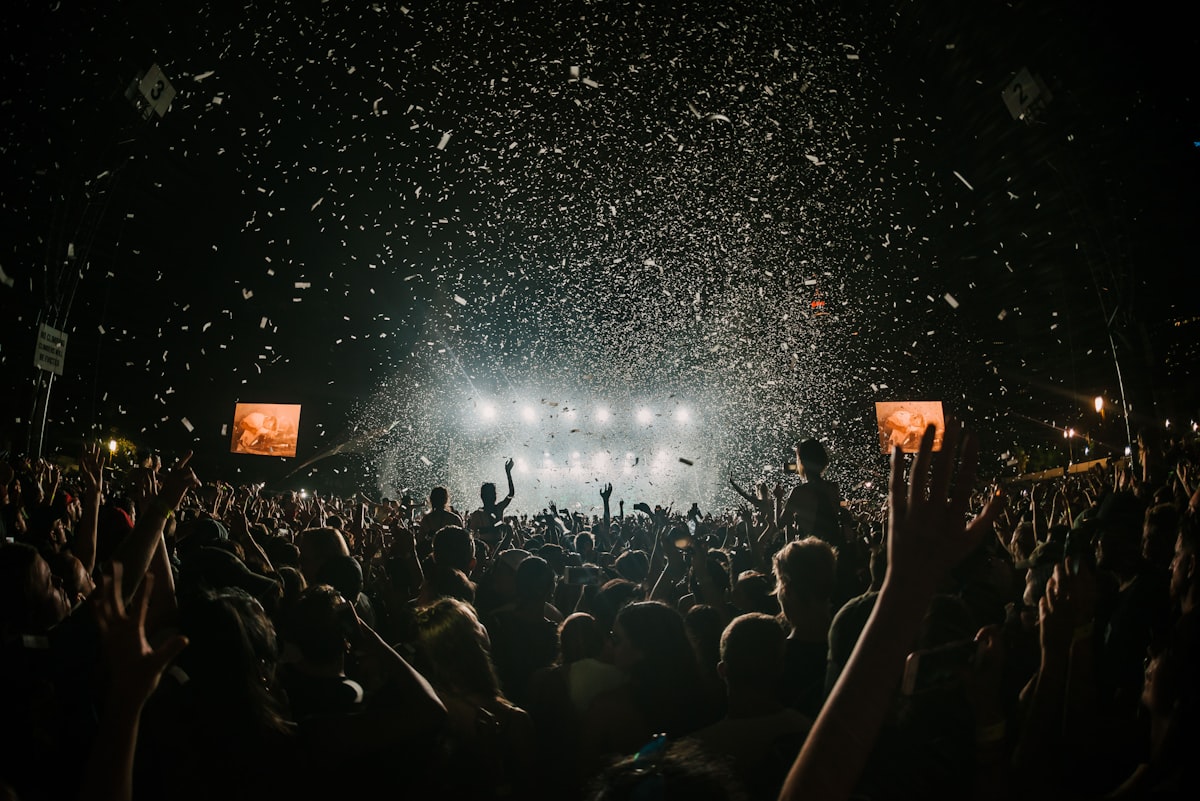
Imagine a night when the Mamatoco cemetery in Santa Marta stops being a place of silence and candles and turns into a dance floor. It's not a horror movie or an urban legend: it's the Carnival of the Dead, a celebration that every year challenges the Western idea that death only deserves tears. Here, in the Mamatoco neighborhood, the community honors its ancestors with drums, liquor, and laughter that echoes among the tombs.
This event is not a recent tourist invention. Mamatoco is one of the oldest neighborhoods in Santa Marta, with roots that go back to the 16th century. It was there that indigenous people, enslaved Africans, and European colonizers converged, creating a unique cultural melting pot. While in other parts of the world the Day of the Dead is celebrated with altars and sugar skulls, in Mamatoco the tradition took a more carnivalesque turn: music, dance, and stories from neighbors who remember their loved ones with joy, not mourning.
📌 Transparency
This article contains sponsored/affiliate links. We may receive a small commission at no extra cost to you.
As of May 2026, the Carnival of the Dead remains an event organized mainly by the community, without the support of large institutions. Rosa Mary Guerra Sierra, a local leader, has been the public face of this festival for years, fighting to preserve the memory of a neighborhood that breathes history on every corner.
Event Details: The Night Mamatoco Comes Alive
Program and Activities
The Carnival of the Dead does not have a fixed date on the calendar. It is generally celebrated between late October and early November, coinciding with the Catholic tradition of All Souls' Day (November 2). But beware: don't expect a massive event with billboards. Here everything is organic, almost improvised, and that is precisely what makes it authentic.
The night kicks off at the Mamatoco Cemetery, located in the upper part of the neighborhood. Neighbors arrive loaded with flowers, candles, food, and above all, musical instruments. The typical program includes:
- Collective offerings: Families decorate their ancestors' graves with yellow and orange flowers, lit candles, and typical dishes like coconut rice, fried fish, and milk sweets.
- Live music: Drums, guacharacas, and accordions take over the atmosphere. Traditional rhythms like pajarito, mapalé, and cumbia are played, which are a direct heritage of the Afro-descendant and indigenous communities of the region.
- Neighbors' stories: The elders of the neighborhood take turns telling stories of the deceased. They are not sad tales; they are funny anecdotes, memories of what life was like in Mamatoco decades ago.
- Dancing among the tombs: Yes, people dance. It is not disrespectful; it is a way of celebrating that life goes on and that the dead live on in the memory of the living. Spontaneous dance circles form where anyone can join.
- Community sharing: At the end of the night, food is distributed among the attendees. It is a gesture of solidarity that reminds us that, in Mamatoco, death does not separate the community; it unites it.
The Little-Known Curious Fact
The tradition of the Carnival of the Dead in Mamatoco has an origin that many ignore: during the colonial era, enslaved Africans in Santa Marta could not bury their dead in Catholic cemeteries. So they created their own burial spaces on the outskirts of the town, where they combined African rituals with songs and dances. When they were finally allowed to use the official cemetery, they brought these practices with them. The result is a unique fusion not seen anywhere else in Colombia.
Prices and How to Get Tickets
Here comes the best part: the Carnival of the Dead is completely free. There are no tickets, no presale, no VIP lines. It is a community event, open to anyone who wants to come with respect and a willingness to share. If someone charges you to enter, it's a scam.
That said, if you want to be an active participant, you can bring your own offering: flowers, candles, or food to share. It is also welcome if you play an instrument or simply bring your energy to dance. The community values intention more than money.
To find out the exact date of the 2026 edition, I recommend following the social media of cultural groups in Santa Marta or asking directly in the Mamatoco neighborhood a few days before. There is no official website, because this is managed by word of mouth, as it should be. Reference prices for transportation and food in the area are as of May 2026: a bus ticket from downtown Santa Marta to Mamatoco costs around $2,200 COP, and a plate of typical street food can be between $8,000 and $12,000 COP.
How to Get to the Mamatoco Cemetery
Mamatoco is a neighborhood located in the upper part of Santa Marta, east of the city. Don't expect to find tourist signage; here you get there by asking or following the locals' mental map.
Transportation Options
- City bus: From the Historic Center or the Transport Terminal, take any bus that says "Mamatoco" or "Los Alpes." The trip takes about 20-30 minutes, depending on traffic. Get off when you see the neighborhood church and walk up about three blocks.
- Moto-taxi: This is the fastest and most economical option for getting around Santa Marta. From the center, a moto-taxi will drop you at the cemetery entrance for about $5,000 COP. Negotiate the price before getting on.
- Private car or Uber: If you come by car, put "Mamatoco Cemetery" in the GPS. Keep in mind that the neighborhood streets are narrow and steep, so it's better to park at the bottom and walk.
- Walking: If you like walking and are in good physical shape, you can hike up to Mamatoco from downtown Santa Marta in about 40 minutes. The climb is demanding, but the views of the city and the bay from above make it worth it.
Exact Location
The Mamatoco Cemetery is located at Calle 16 with Carrera 12, in the highest part of the neighborhood. There is no big sign, but on the night of the event you will recognize it by the music and the candlelight. If you arrive early, you can take the opportunity to visit the Mamatoco church, a simple but historically rich building dating from the 18th century.
Tips for Attendees: How to Live the Experience Without Messing Up
This is not just any tourist event. You are entering a sacred space for the community, so there are unwritten rules you must respect. Here are the tips to make your visit unforgettable for the right reasons.
Codes of Respect
- Don't touch the offerings: The flowers, candles, and food you see on the graves are personal offerings. Don't move them, don't take close-up photos without permission, and of course, don't eat them.
- Dress respectfully: You don't need to wear mourning clothes, but avoid overly revealing clothing or prints that might be offensive. Light but modest clothing and comfortable shoes are ideal, as the terrain is uneven.
- Ask before photographing: Many neighbors are proud of their tradition and don't mind you taking photos, but always ask permission first, especially if you are going to photograph people or decorated graves. Never use flash without asking.
- Participate, don't just observe: The community greatly values visitors getting involved. If you are invited to dance, dance. If you are offered food, accept. If you don't know the steps, laugh and follow the rhythm. Attitude is everything.
- No excessive alcohol: Liquor is consumed, yes, but in moderation. Arriving drunk at the cemetery is a serious disrespect. If you want to toast, bring a bottle of rum or aguardiente to share, not to get drunk alone.
Practical Logistics
- Arrive early: The event usually starts at nightfall, around 6:00 p.m., and extends until midnight or later. Arriving early allows you to see how the offerings are prepared and chat with the neighbors before the music gets loud.
- Bring cash: There are no ATMs in Mamatoco.