


Available Options
Ciénaga Grande de Santa Marta is not a single lake, but a labyrinth of channels, marshes, and mangroves spanning over 4,000 km². For a sunset kayak trip, the key is choosing the right launch point. Here are the most popular ones used by locals and guides:
- Tasajera: The most popular town to depart from. From here, you enter directly into the main channels. There are several local guide associations that rent kayaks and offer 2 to 3-hour tours. The advantage: the sunset is visible over open water, with the Sierra Nevada in the background.
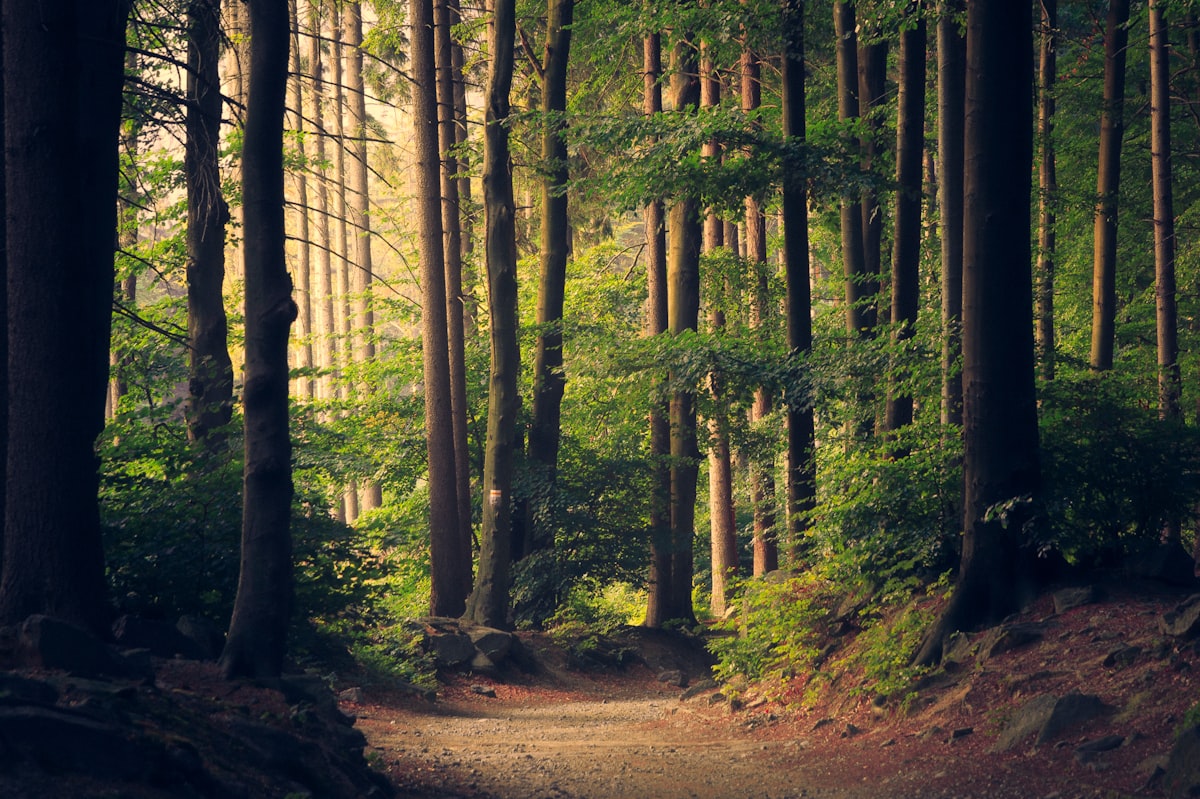
- Pueblo Viejo: Quieter than Tasajera. Ideal if you want to avoid large groups. The mangroves are denser, and there is a higher chance of seeing birds hidden among the roots. Access is via a dirt road from the Barranquilla highway.
- Bocas de la Ciénaga (from the Magdalena River): Only for experienced kayakers or with a local guide. Here the water is more open, and currents change with the tide. The reward: huge colonies of herons and ibises at dusk.
If you don't have your own kayak, most tours depart from Santa Marta early in the afternoon (around 3:30 p.m.) to arrive just before sunset. The cost of rental with a guide ranges from 60,000 to 90,000 COP per person, depending on the group and whether it includes round-trip transportation.
📌 Transparency
This article contains sponsored/affiliate links. We may receive a small commission at no extra cost to you.
Updated Costs
The prices I give you are a reference for May 2026. Always check directly with the operators, as during high season (December to March and July) they may increase slightly.
- Single kayak rental with guide: 70,000 – 100,000 COP (2 hours, includes life jacket and paddle).
- Complete tour from Santa Marta: 120,000 – 180,000 COP (transportation, bilingual guide, kayak, and sometimes a drink or snack).
- Double kayak (couple or friends): 90,000 – 130,000 COP per person.
- Entry to Ciénaga (if applicable): There is no fixed fee, but some launch points in Tasajera charge a parking fee of 5,000 COP per vehicle.
Tip: if you are traveling alone, join a group. Guides usually form groups of 4 to 8 people, and the price goes down. Ask at hostels like Casa Elemento or Hostal La Brisa Loca, which have direct contacts with guides from Tasajera.
Estimated Times
The sunset at Ciénaga Grande is not a five-minute event. Here is the typical schedule so you don't miss anything:
- 3:30 p.m. – 4:00 p.m.: Departure from Santa Marta. The car ride to Tasajera or Pueblo Viejo takes about 45 minutes to 1 hour.
- 4:30 p.m. – 5:00 p.m.: Arrival, safety instructions, and getting on the water. Guides explain how to move through the channels and what not to touch.
- 5:00 p.m. – 6:15 p.m.: Main paddling time. This is the golden hour: the light becomes warm, the mangroves reflect in the still water, and birds start moving towards their roosts.
- 6:15 p.m. – 6:45 p.m.: The actual sunset. The sun sets behind the Sierra Nevada (if clear) or over the horizon of the Ciénaga. This is the best time for photos.
- 6:45 p.m. – 7:30 p.m.: Return in twilight. Guides use headlamps. The sky still has orange and purple tones.
Fun fact: on new moon days, after sunset the sky darkens completely, and you can see the stars reflected in the water. Bring a red flashlight to avoid dazzling the birds.
Practical Tips
Safety: Tides, Mosquitoes, and the Ecosystem
- Tides: Ciénaga Grande is connected to the Caribbean Sea through the Boca de la Barra. At low tide, some channels become very shallow, and you will have to paddle carefully to avoid getting stuck. Ask the guide about the tide conditions before leaving.
- Mosquitoes: At sunset, mosquitoes become a plague. Use repellent with DEET (minimum 30%) and wear long-sleeved shirts and pants. Do not use perfumes or scented creams, as they attract insects.
- Ecosystem protection: Mangroves are fragile. Do not touch the aerial roots or pull off leaves. Migratory birds rest in these areas after flying thousands of kilometers; do not approach within 10 meters of their roosts.
- Water and sun: Bring at least 1 liter of water per person. The Caribbean sun is strong even at 4 p.m. Use water-resistant sunscreen and a hat.
Photography Gear for Golden Hour
- Camera: A DSLR or mirrorless with a zoom lens (70-200 mm or similar) is ideal for birds. If you only have a cell phone, it works, but you will need a small tripod or to rest it on the kayak for long-exposure sunset photos.
- Polarizing filter: Reduces water reflections and enhances the greens of the mangroves. It is an inexpensive accessory that makes a difference.
- Dry bags: Water splashes. Put your camera in a dry bag or waterproof case. Do not risk your equipment.
- Magic hour: Shoot between 5:30 p.m. and 6:15 p.m. The light is soft and shadows are long. For birds in flight, use a shutter speed of at least 1/500 sec.
What to Bring
- Clothes that can get wet (lycra or polyester, no cotton).
- Life jacket (provided, but check it is in good condition).
- Repellent and sunscreen.
- Water and a snack (fruit or energy bars).
- Headlamp with red light.
- Phone in a waterproof bag.
Frequently Asked Questions
Do I need to know how to paddle to kayak in Ciénaga Grande?
No, most tours are suitable for beginners. Guides give basic instructions on land and accompany you the whole time. The channels are calm, with no strong waves. If you have never paddled before, start with a double kayak so someone more experienced can guide you.
What is the best season to see migratory birds?
Migratory birds arrive between October and March, fleeing the northern winter. During these months, you will see herons, ibises, gulls, and even flamingos if you are lucky. From April to September, there are fewer species, but you can still see pelicans, ospreys, and local ducks. If birdwatching is your goal, travel between November and February.
Is there a risk of encountering caimans or snakes?
In Ciénaga Grande, there are babillas (small caimans) and some water snakes, but they are shy and flee when they feel vibrations. Guides know the safe areas and avoid places where they are usually found. Do not go swimming or approach the shore in areas of dense vegetation. With common sense, there is no real danger.