

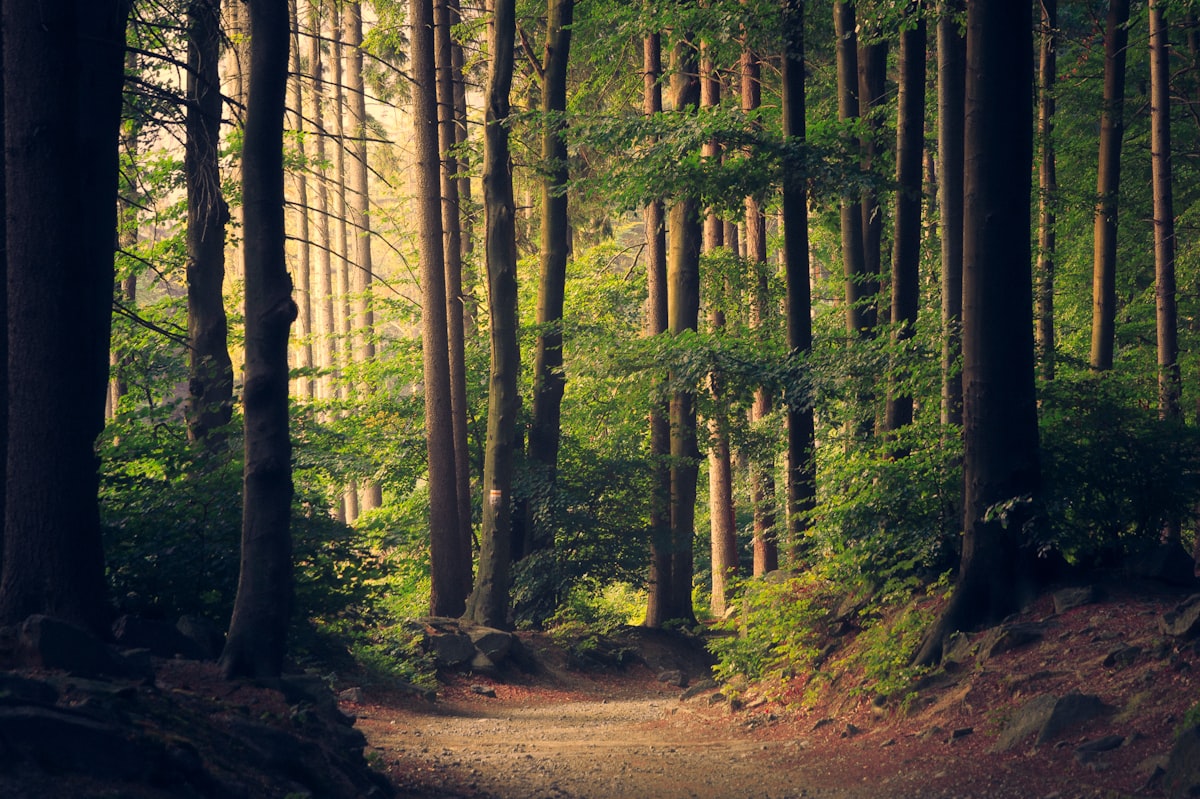
A Tuesday at 8 in the morning, the bridge over the Pance River is empty. There's no line of cars, no vendors setting up awnings, no music blasting from a pickup truck. All you hear is the water running between stones and the call of a barranquero perched on the railing. That's the difference between going to Pance on a Sunday and going on a Wednesday: the same river, but another city. And for those of us who walk the basin frequently, that silent version is the one worth experiencing.
This guide is designed for caleños who want to experience the Pance River without the weekend crowds, and also for travelers who arrive in Cali wanting to walk alongside the water without straying too far from the city. Here you'll find walkable riverside stretches, publicly accessible pools, what to bring, how to get there and how to return without getting stranded. The data you'll see corresponds to October 2026 and is for reference: it's always best to confirm before heading out, especially if you go on a weekday, when many businesses open with reduced hours.
📌 Transparency
This article contains sponsored/affiliate links. We may receive a small commission at no extra cost to you.
Spanish Bootcamp Online
Historical and contextual introduction
The Pance River is born in Parque Nacional Natural Farallones, on the western slope of the Western Cordillera, and descends until it meets the urban area of Cali on the south side of the city. Its basin is one of the most important in the municipality: it supplies water to much of southern Cali and sustains a sub-Andean forest corridor that connects the city with the national park. That connection is what makes Pance unique: it's not a distant mountain river nor a domesticated urban canal, but a transitional river that descends from the Farallones and enters the city carrying stone, sediment and biodiversity.
The corregimiento de Pance, in the rural area south of Cali, has historically been a weekend destination for caleños. For decades, families headed up to the river to make sancocho, swim in the pools and spend the day at the farms and swimming resorts that were established along the road. That tradition is still alive, but it has also generated enormous pressure on the riverbed: trash, noise, traffic and intense occupation of the banks on Sundays and holidays.
What many don't know is that the basin has a different life on weekdays. The swimming resorts open with fewer staff, the trails are empty, the water runs clearer because there aren't hundreds of people stirring up the bottom, and vehicular access flows smoothly. For those who walk, photograph or simply seek silence, Tuesday or Wednesday are completely different days. That's the angle of this guide: not the Pance of the crowds, but the Pance of the quiet riverside.
Pance River
The Pance River is the axis of the entire corregimiento. Its channel descends from the Farallones and forms a series of pools, rapids and stone beaches that change with the rainy season. In the dry season, roughly between June and September, the level drops and more beaches and shallow pools appear; in the rainy season, between October and May, the river rises and some stretches become dangerous. That variation is key when planning a riverside walk: what in January is a quiet pool, in April can be a strong current.
The Pance riverbank is covered by sub-Andean forest vegetation: guaduales, shade trees, ferns and a strip of vegetation that in some stretches forms a green tunnel over the water. It's a bird migration zone: barranqueros, azulejos, hummingbirds and, with luck, a tanager. For those walking with a camera, morning light on a weekday is incomparable: no awnings, no umbrellas, no people crossing the frame.
An important point: the Pance River is not a water park. There are no lifeguards, no depth signage in all the pools and no formal access control at most stretches. That means responsibility lies with whoever enters. Respect residents' indications, don't enter pools you don't know and don't underestimate the current. And if you're going to walk distant stretches, don't go alone: on weekdays there are fewer people on the riverbank, and an accident in an area without witnesses gets complicated quickly.
Corregimiento de Pance
The corregimiento de Pance is the gateway to the river. You get there via the road that climbs from the south of Cali, passing through sectors like La Vorágine and the Pance Cabecera area. Along the road there are farms, restaurants, swimming resorts and small resident businesses offering parking, food and river access. Most of these establishments charge an entrance fee or minimum consumption, and their operation changes depending on the day: weekends are packed, weekdays open with fewer services.
The corregimiento has an organized community that has worked in recent years on responsible tourism and waste management. It's common to see river cleanup campaigns and trail signage. For the visitor, that translates into a simple rule: if the place where you enter has community indications, respect them. They're not whims, they're agreements so the river remains visitable.
On weekdays, the corregimiento has its own rhythm: residents work on their farms, restaurants open with a reduced menu and public transportation runs less frequently. That's part of the charm, but it also requires planning your return with time to spare.
Parque Nacional Natural Farallones
Parque Nacional Natural Farallones is the protected area that crowns the Pance basin. Its presence explains why the river descends with such force and why the riverside forest is so dense. The park has several access points, and one of the best known from Cali is precisely the Pance area, although formal entry to the protected area requires specific conditions: registration, a guide in some sectors and respect for conservation rules.
For this guide, the important thing is to understand that the riverside walk through Pance is not the same as entering the national park. Most of the stretches accessible without registration are in the corregimiento area and on private properties that allow passage. If your plan is to climb toward the Farallones, you must do so with authorized operators and verify park conditions before heading out. Don't improvise an entry to the protected area: besides being risky, it's illegal.
What to do
The Pance weekday plan comes down to three activities: walking the riverbank, finding a quiet pool and staying still long enough for the river to show you what it hides on Sundays. Here are the details.
Riverside walks: walkable stretches and what to expect from the terrain
The riverside walk consists of following the channel along the trails that residents and visitors have traced over the years. It's not a high-mountain hike: it's a low-difficulty route, with stretches of stone, dirt and some mud depending on the season. The terrain is irregular, with loose stones and roots, so footwear matters more than it seems.
The most accessible stretches are in the lower part of the corregimiento, near the main road, where the river runs between stone beaches and shallow pools. As you go up, the trail becomes narrower and the vegetation denser. At some points you have to cross the water or walk over stones, and in the rainy season those crossings can become dangerous. The recommendation is simple: if you don't know the stretch, walk only as far as you feel safe and don't cross currents that reach above your knee.
A classic stretch to walk on a weekday is the one that goes from the Pance Cabecera area upward, following the road and then the riverside trail. It's an out-and-back route that you can adjust according to your time and energy. The advantage of a weekday is that you can walk without dodging groups, without other people's music and without the pressure of a crowded trail. Bring water, sunscreen and a walking stick if you have sensitive knees: the stone terrain takes a toll.
For photography, morning is the best window: light comes in laterally between the trees and the water runs clearer. On weekdays, there are also no awnings or umbrellas in the frame. If you go with a camera, bring a waterproof cover and be careful with slippery stones near the water.
Publicly accessible pools and river areas: how to identify them
The Pance pools are natural formations where the river widens and the current slows, creating stone swimming holes. Some are publicly accessible through properties that allow passage; others are inside private farms and require permission or consumption. The key to identifying them is to observe the signage and ask residents. Before entering a private property, always ask: there are farms that allow passage and others that don't, and the treatment changes a lot when one arrives with respect.
A safe pool has several characteristics: slow current, visible bottom, easy access and exit and, preferably, other visitors or residents nearby. A dangerous pool has a strong current, a deep bottom you can't see, slippery stone walls and no clear exit point. On weekdays, with fewer people, it's harder for someone to warn you of a risk, so your own judgment weighs more.
Respect local indications: if a resident tells you not to enter a pool, don't enter. Many times those warnings come from previous accidents or from changes in the current that aren't visible from the bank. And if the river is swollen from rain in the upper part, don't go in even if the pool looks calm: flash floods in Pance can arrive quickly and without warning.
Birdwatching and riverside nature
The Pance vegetation strip is a bird migration zone. On weekdays, with less noise, it's easier to see barranqueros, azulejos, hummingbirds and tanagers. Bring binoculars if you have them and walk slowly, looking toward the canopy and toward the river stones. The early morning hours are the best: birds are active and the light is soft.
There's also smaller fauna: lizards, frogs and a great variety of insects. Don't handle them and don't feed them. The riverbank is a fragile ecosystem and responsible visiting means leaving no trace: you take your trash with you, you don't pull up plants and you don't stray from the trail.
Where to eat or drink
Pance's food offerings are concentrated in the restaurants and swimming resorts along the main road and in some resident businesses. On weekdays, most open with a reduced menu and shorter hours, so it's best to confirm before heading up. Here are verifiable options and practical tips.
Restaurants and swimming spots along the road to Pance
Along the road to the corregimiento there are restaurants serving typical valluno food: sancocho de gallina, beans, churrasco, trout and mountain dishes. Many function as swimming resorts, meaning they offer river access in addition to food. On weekdays, service is calmer and sometimes cheaper, but there's also less staff and some dishes aren't available.
The recommendation is to call or write before heading up, especially if you're going in a group and want to secure the sancocho. And if the plan is just to walk, l




