
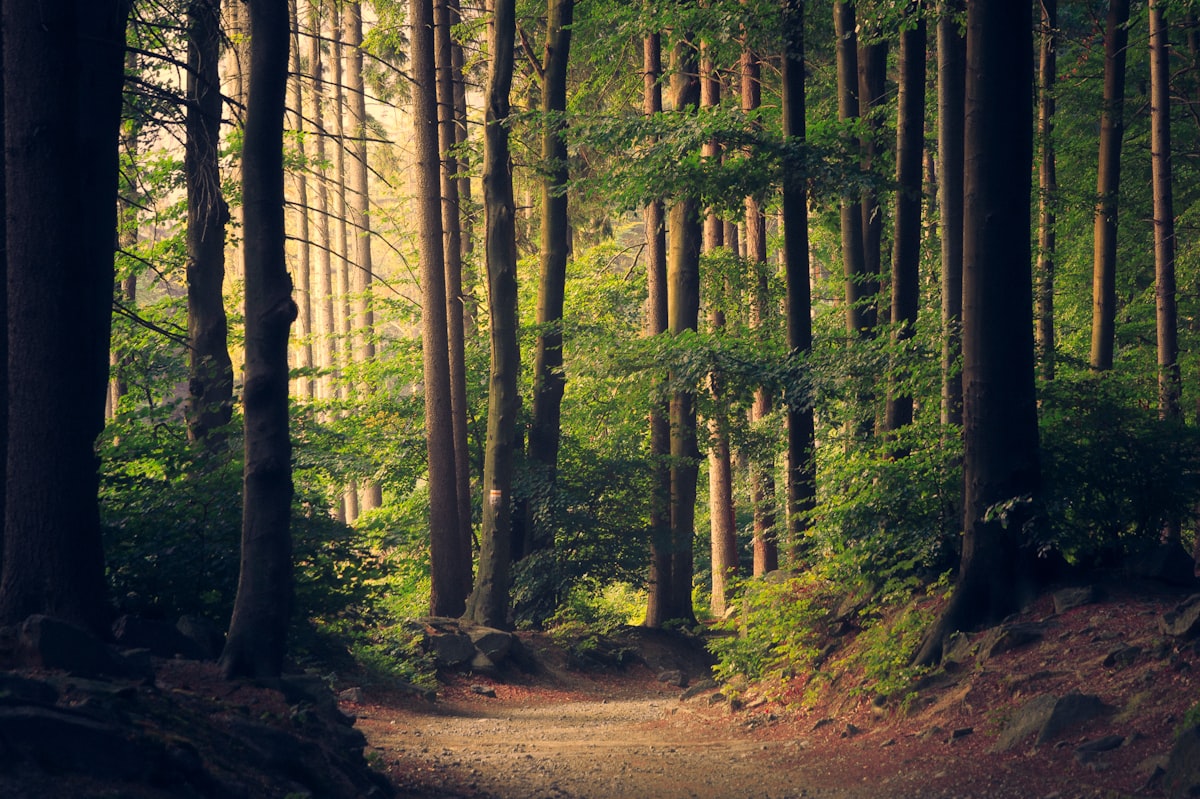
The bajo de Pance: what the caleño understands by river and the tourist still doesn't
There are two Pance. One is the one on the recta with restaurants, private balneario parking lots and long-tablecloth tables where on Sundays people have sancocho with a view of the water. The other is the one people call "el bajo": the stretch of the river where you go in without paying an entrance fee, without a reservation and without a waiter, with your bag on your shoulder and your styrofoam cooler. That second Pance is what we're talking about here.
The corregimiento de Pance is in the south of Cali, on the road out toward the Farallones, and it's the city's weekend lung. The pools and swimming holes with public access have no fee: they are common-use goods and that's how they behave. What does cost money is transportation, parking and food along the road; on malokal.com you can check updated prices, the safe map by neighborhood (Locales vs. Extranjeros) and live holiday schedules. The idea behind everything that follows is simple: that you arrive, get in the water and head back without anyone charging you to breathe.
📌 Transparency
This article contains sponsored/affiliate links. We may receive a small commission at no extra cost to you.
Spanish Bootcamp Online
Why "el bajo" exists
For decades Pance was the edge between the city and the Parque Nacional Natural Farallones de Cali. The river is born up high, in páramo and Andean forest terrain, and comes down forming pools and swimming holes over a stone bed. That bed is the key: with little flow, the big stones form natural pools of clear, cold water; with the river swollen, those same stones become traps. The caleño who grew up going to Pance learned to read the river before learning to swim.
The difference between "el bajo" and tourist Pance isn't entirely geographic: it's about use. The lower stretch, the closest to the road and the bus stops, is where the family with the groceries arrives, the parche with the speaker and the cyclist who rides up on Sundays. Further up, where the restaurants and balnearios with infrastructure begin, access is organized by consumption. It's not that one is better than the other: they're two different ways of using the same river. The bajo is free and self-managed; the upper part is comfortable and paid. Knowing this saves you from arriving with the wrong expectations.
And watch out for this: Pance isn't just a swimming spot. It's the gateway to hiking routes in the Parque Nacional Natural Farallones de Cali, and much of the land around it is reserve area and private fincas. That "the river belongs to everyone" doesn't mean "the whole mountain belongs to everyone." The veredal roads, the pastures and the springs have owners or protected status. Walking where you see a trail isn't always walking where you're allowed to.
What to do in the bajo de Pance
The core plan is simple and needs no embellishment: find a pool, get in, dry off in the sun on hot stone, eat and repeat. But there are variations that make the difference between any given Sunday and a well-organized day.
Corregimiento de Pance
The corregimiento works as the logistical hub of the whole plan: there you'll find the main road, the buseta stops, the food spots along the recta and the accesses to the river. Arriving early is the golden rule, especially in dry season and on long holiday weekends, when the road fills with cars from mid-morning on. The walk from the road to the first public-access pools is short, but the terrain is uneven: loose stone, roots and mud when it has rained. Shoes with grip, not flip-flops, for the journey.
Within the corregimiento, you go upriver. The most crowded pools are the ones closest to the road, because they're the ones that don't require walking. If you want fewer people, walk. Ten or fifteen minutes on a well-marked trail completely changes the density of bathers. And if you're on a serious hiking plan, routes leave from Pance toward the upper part of the park; those do require finding out beforehand, going with a guide or with someone who knows the way, and setting out with daylight.
The pools and swimming holes with public access
There's no "official map" of pools with names and coordinates, and be suspicious of anyone who sells it to you that way. What exists is local knowledge: which pool has a bottom, which one is flat stone, which one fills with people at eleven, which one gets dangerous when the river rises. That knowledge is passed by word of mouth and learned by watching.
What's verifiable and practical is this: the public-access pools are concentrated in the lower stretch of the river, near the road and the bus stops, and you can identify them because they don't have private infrastructure around them (no wall, no charge, no restaurant chairs). If you see a fence, a private property sign or someone charging admission, you're not in the bajo: you're at a balneario. Respect the fence and keep walking.
When choosing a pool, check three things before getting in: the current (if the water is running fast and murky, don't go in), the bottom (slippery stone and holes are the number one cause of scares) and the exit (be clear about where you get out if the water rises). Pools with strong current and those right below a waterfall are not for children or for anyone who doesn't swim well.
Hiking and short walks from Pance
For those going with boots and not just a bikini, Pance offers half-day walks along veredal roads shaded by guadual and forest. The rule is the usual one around here: don't go into trails you don't know, ask in the corregimiento before setting out and let someone know where you're going. The Farallones mountain changes weather quickly and the fog rolls in without warning. Bring a rain layer even if you leave under sun.
If your plan is just to walk and not swim, get up early. Six and seven in the morning in Pance are something else: mist on the river, birds, the empty path. It's the best time for photography and the worst time to forget your jacket.
Where to eat or drink in Pance
Eating in the bajo means eating what you bring. That's the unvarnished truth. The styrofoam cooler with fruit, arepas, cheese and water is the gastronomic institution of the free river plan. That said, along the recta de Pance and in the corregimiento there are options to complete the day without cooking.
La recta de Pance
Along the main road line up grill spots, fritanguerías and country food places. The typical menu of the area is the usual one: grilled meat, chicken, trout when available, patacón, arepa and natural juices. Prices are corregimiento prices, not zona rosa prices; even so, they vary quite a bit from one place to another and change with the season, so it's worth asking before sitting down. On weekends the places open from mid-morning and some close at dusk. Check schedules before going, especially on holidays.
Local trick: if you're in a group, eat after swimming and not before. Nobody wants a heavy sancocho at one in the afternoon with the sun overhead and cold water waiting. Better to get in the river early, dry off, and have lunch when you come down.
Shops and groceries in the corregimiento
In the corregimiento there are shops where you can buy ice, water, soda, snacks and the basics for the day. Don't expect a big supermarket: it's neighborhood grocery. Buy there and not in the city if you forgot something, because you're going to need it anyway. And buy more water than you think: the Pance sun in October hits hard even when the water is cold.
How to get there and transportation to the bajo de Pance
Pance is south of Cali, along the road out toward the corregimiento of the same name. Getting there is easy; getting there early and without a car is the real exercise.
By public transportation
The usual scheme is to combine the MIO mass transit system with busetas or colectivos that go up toward Pance. From different points in the city you take the MIO to a station or connection stop toward the south, and from there continue on a veredal buseta. Routes, frequencies and fares change fairly often, so the sensible thing is to confirm the trip the day before in the app or at the system's ticket offices. The reference fares for this period (October 2026) are for urban public transportation, not a tour.
Hiker's recommendation: leave before seven in the morning. The busetas fill up, traffic toward the south gets complicated and, if you arrive late, the good pools are already taken. The return, watch out: the last buseta of the afternoon doesn't wait. Ask what time the last one passes and organize yourself with margin.
By private car
If you go by car, the problem isn't getting there: it's leaving it. In the lower stretch there are no formal river parking lots; there are spaces along the road, finca entrances and parking lots at local businesses that charge by the day. Don't leave the car on any roadside edge or blocking accesses: it's the fastest way to earn yourself a tow truck or a problem with the neighbors. Ask at the places along the recta about parking and pay for the day with peace of mind. Price subject to change, check directly.
And a terrain warning: the road to Pance gets congested on Sundays and on long weekends. If you can, carpool. If not, leave early and come back before dark.
Local tips: the unwritten rules of the river
These aren't on any sign, but they're what make the plan work for everyone.
- Go up early and come down early. The river is enjoyed during the day. After four in the afternoon the light fades fast in the canyon and the water can change flow without warning. Don't get stuck on the stone in the dark.
- Don't go alone on weekdays. The bajo is safe when there are people. A Tuesday mid-morning you can be completely alone on a stretch of river, with no cell signal and no one nearby if something happens to you. If you want river on a weekday, go accompanied and let someone know your plan.
- What you bring, you take back. Nobody else picks up the river's trash. A bag for the garbage, and if you can, take down something that isn't yours too. It's the only way the pool stays free.
- Music yes, speaker at full volume # The bajo is shared: families, children, people going to read. A moderate speaker is part of the outing culture; a sound system that drowns out the river is disrespectful to the neighbor and to the rest of the bathers.
- Campfires: better # The risk of fire in the dry vegetation of the area is real, and campfires on the stone leave scars that don't fade. If you want warmth, bring a jacket.
- No soap or shampoo in the pool. The river isn't a shower. The water that comes down is what the vereda further down drinks.
- Respect the fences and the crops. The public path ends where the finca begins. If a fence blocks your way, turn back and look for another entrance to the river; no pool is worth a problem with the landowner.
Frequently asked questions about the bajo de Pance
How much does it cost to enter the pools of Pance?
Nothing. The pools and swimming holes with public access have no fee. What does cost is transportation, parking if you go by car and food along the recta. Private balnearios, on the other hand, charge by consumption or by entrance; if you see a charge, you're no longer in the bajo.





