
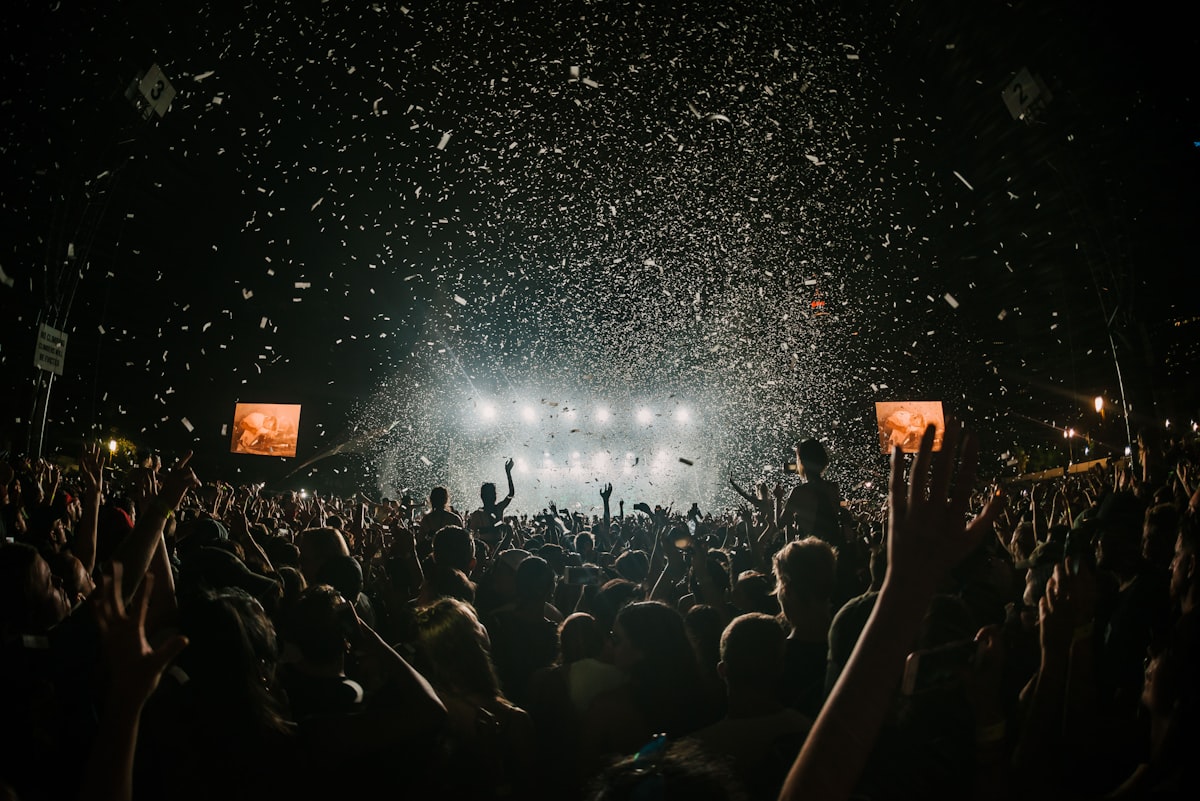


Music as the soul of the Cartagena night
When a tourist arrives in Cartagena, the first thing they hear is reggaeton blasting from the nightclubs in the Centro Histórico. But there is another city, one that pulses after 10 PM, where champeta sounds on dusty street corners, jazz seeps through the bars of a colonial house, and bolero is sung softly facing the sea. That is the Cartagena that doesn't appear in the brochures.
Live music in Cartagena's neighborhoods is not a show put on for tourists. It is a tradition born in the patios of houses, on the corners of working-class neighborhoods, and in improvised peñas where a neighbor pulls out their accordion and people gather around. In May 2026, this scene is still alive, though increasingly threatened by gentrification and the noise of commercial bars.
📌 Transparency
This article contains sponsored/affiliate links. We may receive a small commission at no extra cost to you.
Here I will tell you where to find it, in which neighborhoods, and how to listen to it like a local, not just another tourist.
Getsemaní Neighborhood: The rebirth of champeta and salsa
Getsemaní is the most famous neighborhood outside the Centro amurallado, but its recent fame is deceptive. Before the hostels and trendy bars arrived, Getsemaní was the heart of popular Cartagena music. Champeta was born here, that African rhythm danced close together that grandparents still call "música de la costa".
In the 70s and 80s, the streets of Getsemaní filled with pick-ups (giant record players) that residents placed at their house doors. Champeta played from 6 PM until dawn. Today, although Plaza de la Trinidad has become a tourist meeting point, there are still places where that essence remains.
Where to listen to champeta and salsa in Getsemaní
- La Casa de la Champeta (Calle de la Media Luna, near Plaza de la Trinidad): A small place, without a sign, where the neighborhood's old music lovers gather on weekends. Don't expect a formal stage; here the music is played by the attendees with their own records. Free entry, but it's recommended to bring some drinks to share. Open Fridays and Saturdays from 8 PM.
- El Rincón del Sabor (Cra 10 with Calle 29): A corner where a man named Don Toño has been setting up his pick-up for 30 years. Salsa, champeta, and some merengue play. Neighbors bring out plastic chairs and sit down to listen. No alcohol is sold, but half a block away there is a store to buy beer. The best time is between 9 PM and midnight.
- La Terraza de Getsemaní (Calle Larga, in front of Hotel Casa de España): A small rooftop that organizes champeta nights with local DJs on weekends. It's not live music, but it's the most accessible place for a tourist who wants to hear champeta without feeling out of place. Prices: beers from $8,000 COP. Open Thursday to Sunday, 7 PM to 2 AM.
Fun fact: Champeta isn't called that by chance. The name comes from the "champetú", a platform shoe worn by dancers in the 70s to look taller. The rhythm arrived with vinyl records that sailors brought from Africa, especially Nigeria and Ghana.
San Diego Neighborhood: Underground bars with jazz and bolero
San Diego is the neighborhood of artists, intellectuals, and bohemians. Here there are no pick-ups on corners, but hidden bars on second floors, with dim lights and musicians playing jazz, bossa nova, and bolero. It's the most "cultivated" scene in the city, but also the most authentic.
In the 50s and 60s, San Diego was the neighborhood of wealthy families who moved from the Center. Musical evenings with pianists and bolero singers were organized in their houses. This tradition continues today in places like El Boliche de San Diego (Calle del Curato, #38-12), a bar that looks like an abandoned house but inside has a small stage where jazz trios play on Thursdays and Fridays. Entry costs $15,000 COP and includes a beer. Open from 7 PM to 1 AM.
Another key place is La Casa del Bolero (Cra 4 with Calle 36, second floor). This place has no sign. You have to ring the bell and wait for someone to open. Inside, an older man named Don Rafael sings boleros accompanied by a guitar. The audience is neighborhood residents and some tourists who have heard the rumor. There is no drink menu; you ask for what's in the fridge. The experience is more about listening than drinking. Open Saturdays from 8 PM to 11 PM.
For jazz lovers, Jazz Club Cartagena (Calle de la Amargura, #37-10) is the reference. Although it's on the border with el Centro, its audience is mostly from San Diego. Local jazz fusion and afrobeat bands play. On Wednesdays there is a jam session where any musician can get up and play. Prices: cover from $25,000 COP. Open Tuesday to Saturday, 8 PM to 2 AM.
Fun fact: Bolero in Cartagena has a sad origin. During the time of violence in Colombia (1950s), many musicians from the coast took refuge in the city and found in bolero a way to tell stories of heartbreak and exile. San Diego became the neighborhood of these musical refugees.
Manga Neighborhood: Troubadours and Afro-Caribbean music in cultural houses
Manga is the neighborhood of big houses, traditional families, and troubadours. Here, live music is not in bars, but in cultural houses and private patios. It's the most family-oriented scene and the hardest to find if you don't know someone.
The tradition of troubadours dates back to the 60s, when poets and musicians would gather on the corners of Manga to improvise verses about daily life. Today, this tradition continues at La Casa del Trovador (Cra 6 with Calle 45, interior 2). It's a family home that opens its patio on weekends for local troubadours to sit and sing. There are no microphones, no amplification. Only voices and guitars. Entry is free, but a voluntary contribution is appreciated. Open Saturdays from 6 PM to 10 PM.
For Afro-Caribbean music, the Centro Cultural Afrocaribe (Calle 48, #8-20) organizes concerts by local groups playing bullerengue, cumbia, and mapalé. The space is a restored mansion with a large patio that holds up to 100 people. Concerts are once a month, usually on the last Saturday. Tickets cost $20,000 COP and can be bought at the door. It's recommended to arrive early as it fills up quickly.
In Manga there are also bars with live music, but they are more discreet. Bar La Esquina (Cra 5 with Calle 44) is a small place where salsa and Cuban son bands play on weekends. There's no show, just background music while people chat. Prices: beers from $6,000 COP. Open Thursday to Sunday, 7 PM to 1 AM.
Fun fact: Bullerengue, an Afro-Colombian rhythm played in Manga, has its roots in the work songs of slaves on sugar cane plantations. The lyrics speak of life in the countryside, love, and resistance. It is still taught in community workshops in the neighborhood today.
The route to follow local musicians (improvised events and peñas)
The most authentic part of Cartagena's music scene is not in the bars, but in the improvised events. Local musicians move around the city like nomads, playing on one corner one night and in a house the next. To follow them, you have to be attentive to social media and word-of-mouth recommendations.
How to find these improvised jam sessions
- Follow the musicians on Instagram: Accounts like @champetacartagena, @sonidosdelacosta, and @trovadoresmanga post the locations of the weekend jam sessions. They aren't always fixed, so check the day before.
- Ask at record stores: At Tienda de Discos El Sonido (Calle de la Media Luna, Getsemaní) the owners know where each group will play. They also sell original 80s champeta vinyl.
- Neighborhood peñas: On Sunday afternoons, at Parque de la Marina (Manga), improvised peñas are set up. Musicians arrive with their instruments, people sit on the grass, and the music lasts until dark. Bring your own chair and some food.
- Private parties: If you make local friends, they will invite you to house parties where groups of friends play. These are the best experiences, because the music is genuine and there are no tourists. Bring a bottle of rum and a willingness to dance.
An example of these improvised jam sessions is the one organized by the group Los Herederos del Bullerengue. They play once a month in a different house in Manga or Getsemaní. The location is announced only 24 hours in advance on their Instagram. Entry costs $10,000 COP and includes a plate of rice with coconut. The music starts at 7 PM and ends when people get tired.
Fun fact: In Cartagena there is a tradition called "el toque de esquina" (the corner jam). Musicians gather on any corner, set up their instruments, and start playing. They don't ask for money, but people passing by leave coins or buy them a beer. It's a way to keep street music alive, which is being lost in other cities.
Current state of the music scene in the neighborhoods
In May 2026, the live music scene in Cartagena's neighborhoods is at a critical point. On one hand, there is a resurgence of interest in champeta and bullerengue among young people, who are rediscovering these rhythms through social media and local festivals. On the other hand, gentrification is pushing musicians to more distant neighborhoods like Olaya Herrera or El Pozón, where rent is cheaper.
Bars in the Center and Getsemaní have started charging entry for shows that were once free, which has driven locals away. However, musicians have adapted: they now play in private homes, parks, and community events. The scene is still alive, but you have to look for it intentionally.
For the tourist who wants to experience the authentic cultural nightlife of Cartagena, the recommendation is to leave the Center, walk through the neighborhoods, and let yourself be guided by the sound. If you hear music coming from a house, knock on the door. If you see a group on a corner, stop and listen. The people are friendly and will welcome you with a smile and, probably, a beer.
As Don Toño, the owner of the Getsemaní pick-up, says: "Music is not paid for, it is shared. If you come to listen, you are welcome. If you come to record with your cell phone, you'd better stay in your hotel."
Download the Cartagena night playlist
So you can take these sounds with you, we have curated a playlist with the songs that are most played on the corners and in the bars of the neighborhoods. It includes 80s champeta, old-school boleros, Cartagena jazz fusion, and contemporary bullerengue. The playlist is updated every month with the songs local musicians are playing.
- Scan the QR code you will find in the mentioned bars (La Casa de la Champeta, El Boliche de San Diego, and La Casa del Trovador).
- Or send us a message on our Instagram @malokal with the word "PLAYLIST" and we will send you the link.
- You can also download it directly from our website malokal.com/playlist-cartagena.
The playlist includes songs like "La Camita" by Hernando Hernández (champeta), "Perdóname" by Los Trovadores de Manga (bolero), "Bullerengue de la Costa" by Las Palenqueras (bullerengue), and "Noche en San Diego" by Jazz Cartagena (jazz fusion). It's 20 songs that will take you through the sounds of the city without leaving your home.
And remember: next time you are in Cartagena, don't stay in the Center. Walk towards Getsemaní, go up to San Diego, cross over to Manga. The music is waiting for you on a corner, in a house, or in a park. You just have to listen.
Origins
The development of live music in Cartagena's neighborhoods has been an organic process, influenced by the rich cultural heritage of the region. From Afro-Caribbean rhythms to salsa and vallenato, each genre has left its mark on the city's musical identity. As tourism has focused on the Centro Histórico, many artists have found in the peripheral neighborhoods a space to express their art and connect with their community.
In the 80s and 90s, live music began to flourish in places like Getsemaní and the San Diego neighborhood, where houses and squares became improvised stages. Over time, these spaces have evolved, making room for new artistic proposals and becoming meeting points for locals and visitors.
Below are some of the most emblematic places where you can enjoy authentic live music in Cartagena:
La Casa de la Música
This iconic place has established itself as a reference point for live music lovers. Here, the nights are usually filled with salsa and Cuban son rhythms.
Insider Tip: Arrive early to enjoy a light dinner at its restaurant and be sure to ask about drink specials during the performances.
El Bar del Mar
Located in the Bocagrande neighborhood, this bar offers a mix of genres that attracts both locals and tourists. The performances usually include emerging artists and renowned bands.
Insider Tip: Don't miss the jam sessions on Thursdays, where musicians from different styles come together to improvise and create a unique atmosphere.
Timeline or historical milestones
1940s - The Golden Age of Cuban Son
During this decade, Cartagena experiences the influence of Cuban son, which becomes popular in the neighborhoods, especially in Getsemaní. Parties in houses and spontaneous gatherings in the square were filled with rhythms and melodies that united the community.
1980s - The Rise of Salsa in the Neighborhood
Salsa gains strength in neighborhoods like La Heroica and El Pozón. Local orchestras began performing in small venues, creating a vibrant atmosphere that attracted music lovers. Insider Tip: If you want to hear salsa at its best, look for the "tambores de salsa" (salsa drum sessions) organized on weekends in the squares of these neighborhoods.
2000s - The Fusion of Rhythms
With the arrival of the new millennium, live music in Cartagena diversifies. Local bands begin to mix reggae, rock, and African rhythms, contributing to the musical identity of the neighborhoods. Insider Tip: Don't miss the "Sábados de Jazz" (Jazz Saturdays) events in the San Diego neighborhood, where emerging musicians showcase their talent.
2010 - Resurgence of Local Folklore
There is a rebirth of folk music, with groups rescuing traditional rhythms like porro and cumbia. The festivities in the San Basilio de Palenque neighborhood become a meeting point for lovers of indigenous music. Insider Tip: Participate in the San Basilio festivities during the Feria de Palenque, where you can enjoy live shows and dance with the locals.
2020 - The Digital Age and Live Music Streaming
With the pandemic, many musicians from the neighborhoods began using digital platforms to present their shows. This not only expanded their audience but also brought a new form of interaction with the public. Insider Tip: Follow local artists on social media so you don't miss their online performances and live events once they become possible again.
Key figures or events
La India Catalina
An icon of live music in Cartagena, La India Catalina is known for its folk music and vallenato performances. This place not only attracts locals but is also a meeting point for tourists seeking an authentic experience. Insider Tip: Visit on weekends, when they usually have the best live performances, and don't forget to try the ajiaco, a typical dish that complements the musical experience.
Donde Fidel
Located in Getsemaní, this bar is famous for its salsa and champeta nights. The energy is contagious and the local dancers are usually the best teachers. Insider Tip: Arrive early to enjoy a free dance class before the live music starts, and be sure to try the coconut cocktail, a favorite among attendees.
La Casa de la Música
A more recent space, La Casa de la Música has become a benchmark for the jazz and alternative music scene in Cartagena. With a varied program, this place attracts both emerging musicians and established artists. Insider Tip: Check their event calendar, as some nights offer jam sessions where you can see local artists improvise and collaborate.