

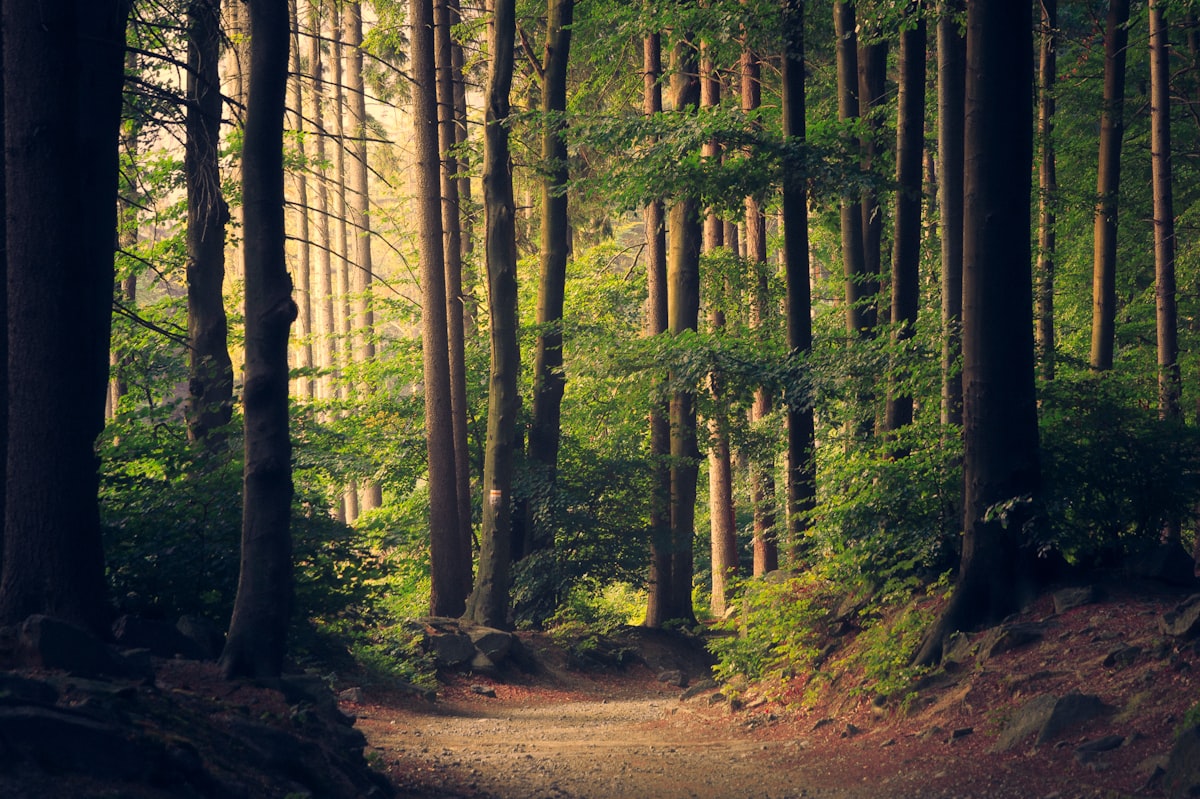
Introduction: Ciénaga de Cholón as an MTB Off-Road Destination
If you are fed up with crowded beaches full of vendors and the noise of motorcycles in Bocagrande, I have a proposal that will blow your mind: hop on a mountain bike and head into the Ciénaga de Cholón, north of Cartagena. This is not your typical tourist outing. There are no umbrellas or coconut drinks here. What you will find are dirt paths, ruins of haciendas dating back to the colonial era, mangroves that block out the sun, and a breeze that makes you forget the city's infernal heat. As of June 2026, this route has become the best-kept secret of local cyclists who want to sweat buckets while discovering a piece of pirate history.
The Ciénaga de Cholón is not just any lake. It is a brackish water ecosystem that connects to the Caribbean Sea through natural channels. For centuries, it was a refuge for buccaneers and smugglers who hid their boats among the mangroves. Today, its shores are dotted with ruins of Spanish fortifications and abandoned mansions swallowed by the jungle. Pedaling here is not just exercise; it is like riding a time machine with all-terrain tires. Get ready to feel mud on your teeth, the sun on your neck, and the satisfaction of reaching places where the GPS loses its signal.
📌 Transparency
This article contains sponsored/affiliate links. We may receive a small commission at no extra cost to you.
Spanish Bootcamp Online
What to Do: The Main Route from Fuerte de San Fernando to the Hacienda Ruins
The star route starts at the Fuerte de San Fernando, an 18th-century fortification built by the Spanish to defend the bay from English attacks. This fort is at the tip of the Barú peninsula, right where the paved road ends. From there, you head onto a dirt path that borders the swamp. The ground is a mix of compacted sand, loose stones, and, after rain, puddles that reach your ankles. This is not for road bikes or unfit beginners. This is pure MTB, with short but steep climbs and descents that demand disc brakes.
The first stretch, about 4 kilometers, takes you parallel to the water. To your left, you see the red and black mangroves, with roots that look like skeleton fingers. To your right, the dry, thorny scrub typical of the Colombian Caribbean. After 20 minutes of steady pedaling, you reach the first mandatory stop: the ruins of the Hacienda Cholón. This was an 18th-century sugar cane plantation, destroyed during the war of independence. Today, only moss-covered stone walls, a dry cistern, and an arch that miraculously remains standing are left. It is a perfect place to stretch your legs, take photos, and listen to the silence (broken only by birds and the wind).
If you have the legs and time, you can continue another 3 kilometers to the Caño de Cholón, a narrow channel connecting the swamp to the sea. Here the path becomes more technical: tree roots crossing the trail, loose sand that makes you skid, and, if the tide is low, a saltwater ford that wets your cleats. It is worth it because at the end you find a virgin gray sand beach, without a soul, where you can jump into the water to cool off. The full round trip from the fort is about 14 kilometers. With stops, photos, and rests, it takes between 4 and 5 hours. Bring at least 2 liters of water per person and something to eat, as there are no shops or stalls along the entire route.
Terrain Difficulty, Recommended Duration, and Hydration Points
This route is not for beginners. I classify it as intermediate to difficult, mainly due to the heat and lack of shade in several sections. The terrain is mostly flat, but the short climbs demand leg strength and good gear management. After rains (which in Cartagena fall between May and November), the mud becomes slippery and heavy. If you are not used to pedaling in mud, you might end up walking with the bike on your shoulder. The recommended duration for an average cyclist is 5 hours, including stops. If you are fitter, you can do it in 3 and a half hours, but I do not recommend rushing: the landscape deserves you to take your time.
Hydration points: There are none. Zero. Nothing. The only place you can buy water is at the entrance of the Fuerte de San Fernando, where sometimes there is a vendor with a styrofoam cooler. After that, forget it. Bring your own water in bottles or a camelbak. I recommend bringing at least 2 liters, plus a bottle of electrolytes (oral rehydration salts or powdered Gatorade) to replenish salts. Also bring fruits like bananas or mangoes, which withstand the heat without spoiling. Do not rely on finding a "tap" or an improvised store; in Cholón there is none of that.
Best Times of Day to Avoid Extreme Heat and Safety Tips
In Cartagena, the sun is relentless. Between 10:00 a.m. and 3:00 p.m., the heat index can exceed 40°C. For this route, the ideal window is between 6:00 a.m. and 10:00 a.m. Leaving early has two advantages: the morning coolness and the low sun, which provides spectacular light for photos of the ruins. If you are an early riser, you can start pedaling at 6:30 a.m. and finish the route before noon. Another option is to leave at 3:30 p.m. and pedal until sunset, but you risk being caught by nightfall if you take too long. Always carry a headlamp just in case.
Safety tips: The area is quiet, but it is not an amusement park. Bring your bike in good condition, especially brakes and tires. The terrain has sharp stones that can puncture a tube; bring a repair kit and a pump. It is also advisable to go with company. There are sections with no cell signal, so if something happens to you, you cannot call for help. If you go alone, tell someone your route and estimated return time. Wear a helmet, sunglasses, and sunscreen (even if you go early, the reflection off the water will burn you). And finally, respect nature: do not leave trash, do not pull up plants, and do not go into the mangroves, which are habitats for caimans and snakes.
Where to Rent Mountain Bikes and Guided Tours
If you do not have your own bike or did not bring it on the plane, do not worry. In La Boquilla, the fishing village 15 minutes from Cartagena, there are several places that rent mountain bikes. The most well-known is Bike & Tours La Boquilla, which has Trek and Specialized bikes in sizes M and L, with Shimano gears and disc brakes. Rental for a day costs around 60,000 COP (reference prices from June 2026). It includes a helmet and a lock. They also offer guided tours for 120,000 COP per person, which include transportation from your hotel, a bilingual guide, water, and fruit. The tour leaves at 6:30 a.m. and returns at 12:30 p.m.
Another option is Cartagena Bike Rentals, in the historic center, but they have more road bikes and fewer specialized off-road ones. If you rent there, make sure to explicitly ask for a "mountain bike with wide tires." There are also local cycling groups that organize weekend rides. Find them on Instagram as @mtbcartagena or @cholontrail. They are good people and might lend you a bike if they like you. Do not expect luxury: here the bikes have mud, dents, and kilometers of history, but they run like a Swiss watch.
Local Tips
- Bring a bandana or buff for the dust: In summer, the dirt path kicks up clouds of dust that get into your eyes and nose. A damp cloth on your face saves your morning.
- Do not forget the repellent: Mosquitoes in the swamp are a plague, especially at dawn and dusk. Use repellent with 30% DEET or more. Locals use "Pasteur" or "Nopikex", available at any pharmacy.
- Bring cash: In La Boquilla and at the Fuerte de San Fernando, they do not accept cards. Rentals and entrance fees are paid in Colombian pesos. Bring small bills of 10,000 and 20,000 COP.
- Check the tide: If you plan to reach the Caño de Cholón, consult tide tables. At high tide, the ford reaches your waist and is difficult to cross with the bike. At low tide, the water barely covers your ankles.
- Talk to the fishermen: In La Boquilla, local fishermen know the swamp like the back of their hand. If you offer them 10,000 COP, they will tell you stories of pirates and treasures that do not appear in any book. It is worth it.
- Do not go swimming without checking: The swamp has deep areas and currents. Also, there are small caimans (do not be scared, they do not attack humans, but better not to tempt fate). Swim only at the Caño de Cholón beach, which is safer.
Frequently Asked Questions
Is it safe to do this route alone?
It is not the most recommended. The area is remote and cell signal is spotty. If you have an accident or your bike breaks down, you could be stranded for hours. It is better to go in a group of at least two people. If you insist on going alone, leave your route and return time with someone you trust, and carry an emergency whistle.
Do I need a special bike or will any bike do?
You need a mountain bike with wide tires (2.0 inches or more) and disc brakes. Road or city bikes cannot handle the terrain: the tires puncture, the brakes do not respond in the mud, and you could end up with a nasty fall. If you do not have one, rent one in La Boquilla.
How much does it cost to do the route on my own?
If you already have a bike, the cost is almost zero: just transportation to La Boquilla (a bus from the center costs 2,500 COP) and the water you buy. If you rent, it is 60,000 COP for the bike plus 10,000 COP for water and fruit. In total, about 70,000 COP per person. If you hire a guided tour, the price goes up to 120,000 COP, but it includes logistics and safety.
Where to Eat or Drink
Restaurante La Cienaga
This place specializes in coastal cuisine, offering fresh and authentic dishes. Their ceviches are a must, perfect for cooling off after a day of pedaling.
Insider Tip: Order the coconut lemonade, a local drink that wonderfully complements the flavors of the sea.
El Fogón de la Cienaga
A cozy corner where the grill is queen. Here you can enjoy grilled meats and fresh fish, all prepared in the traditional style. The view of the swamp is a plus.
Insider Tip: Do not leave without trying the rice with shrimp, a dish that is not only delicious but also reflects the local culture.
...
How to Get There and Transportation
To get to the Ciénaga de Cholón, the most practical way is to use private transportation or rent a car. However, there are also public transportation options that can be interesting for those seeking a more local experience.
Private Transportation
If you decide to opt for a private transportation service, make sure to negotiate the price well before starting the trip. Most drivers know the route to the Ciénaga de Cholón and can offer you a scenic tour along the coast, making stops at natural viewpoints. This will not only save you time but also give you the opportunity to learn more about the region.
Public Transportation
The 'chivas' (typical brightly colored buses) are a fun and economical option. You can take a chiva from downtown Cartagena towards the Ciénaga de Cholón area. This trip is usually lively, as drivers often play music and the experience becomes a social event. Do not forget to ask locals about the chiva schedule, as it can vary depending on the day.
Bike Rentals
Once you arrive at the swamp, there are several bike rental options. Make sure to choose a place that offers mountain bikes, as the routes can be challenging. Additionally, some rental points offer local guides who will take you through the best trails and tell you fascinating stories about the region's flora and fauna.
Kayaks and Boat Rides
If you are feeling adventurous, consider renting a kayak or joining a boat ride. This will not only allow you to explore the swamp from a different perspective but is also an excellent way to observe wildlife. Ask the locals about the best spots for birdwatching or enjoying a day of fishing.
Remember to bring plenty of water and sunscreen, as the sun can be intense, and enjoy every moment in this natural paradise.
...



