

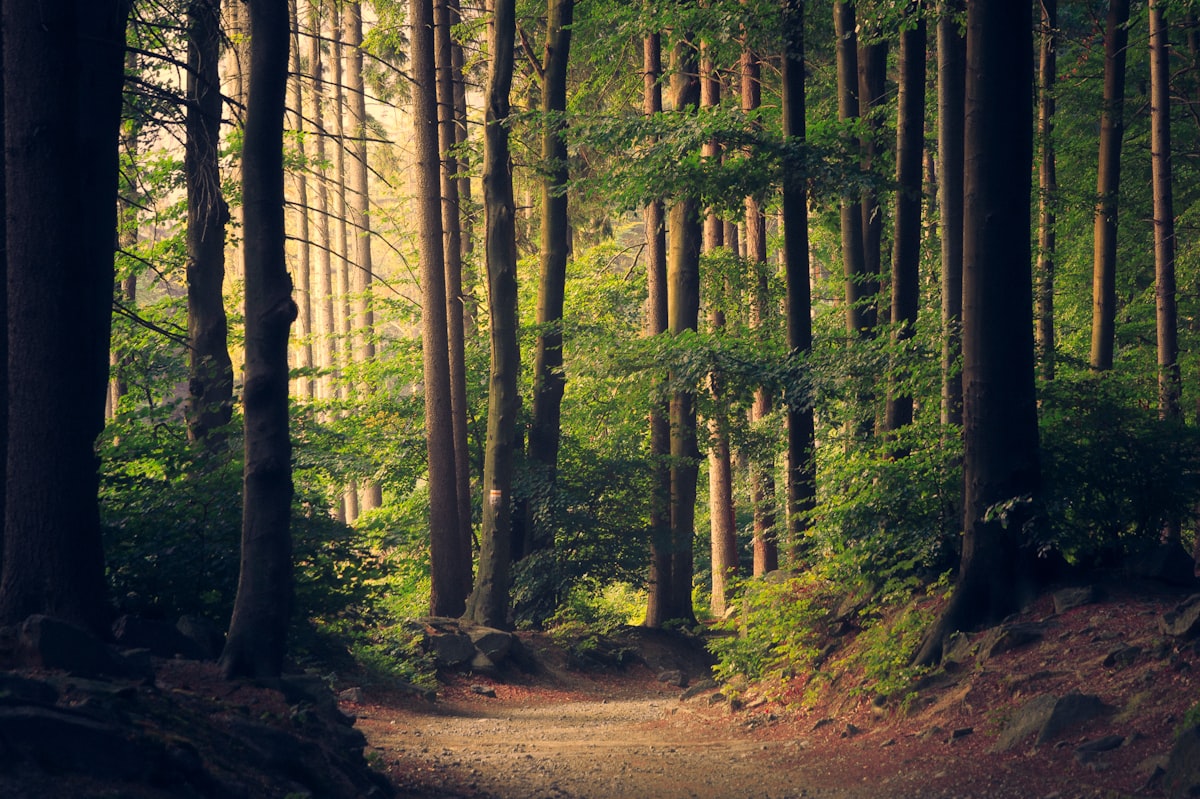
The hill that gets climbed before the city opens
It's 5:40 in the morning on a Tuesday and at the base of the Robledo hillside there are already more blinking red lights than there are cars on the road. Cerro El Picacho has become the free elevation gym for cyclists from the northwest of Medellín, and Tuesday is the day with the biggest turnout. There's no turnstile or guarded parking lot here: you climb the road that skirts the hill, you suffer, you descend, and by 7:00 a.m. you're already having breakfast while the rest of the city opens its blinds.
In this Malokal guide you'll find updated prices for the little that this routine costs (almost everything is zero pesos) and you can use the interactive cards for each place on malokal.com to check the safe map by neighborhood (Locals vs. Foreigners), live holiday schedules, and book by WhatsApp when you need a bike shop or an arepa spot mid-route. The landmarks you'll read about —Parque de Robledo, the Metro's Estación Universidad, the Mirador de San Félix and Cerro El Volador— are real, verifiable, and part of the circuit that many riders use to warm up, regroup, or finish their training. A tinto, an arepa de huevo, or a water bottle on the hillside runs between $2,000 and $8,000 COP this October 2026, and it's always worth confirming on the spot because they change with neighborhood inflation.
📌 Transparency
This article contains sponsored/affiliate links. We may receive a small commission at no extra cost to you.
Spanish Bootcamp Online
Why this hill and not another
Medellín is surrounded by mountains, and that's a blessing for anyone who pedals. But not all hills work for pre-dawn training: some have too much heavy traffic, others are far from the metro, others become dangerous in the dark. Cerro El Picacho, located in the San Cristóbal district and with natural access from Robledo and Castilla, offers a combination that's hard to match: real elevation gain, paved road for much of the route, and a proximity to the urban core that lets you leave home at 5:15 and be back before 8:00.
Robledo, the neighborhood that serves as the gateway to most of these routes, was born as a district and grew attached to the northwestern hillside. Its park is the logistical heart of the area: that's where you buy water, adjust the chain, wait for the buddy who overslept. The cycling culture here isn't weekend folklore; it's people who work in downtown, in industry, or in construction and train on Tuesdays and Thursdays before their shift because it's the only window they have left. Water bottle, emergency lights, and off you go.
A context note worth keeping in mind: Cerro El Picacho is one of the city's guardian hills, with reserve areas and trails used for hiking and mountain biking. It's not an amusement park and it doesn't have massive tourist infrastructure. What's there is road, forest, natural viewpoints, and a community of cyclists that self-regulates. If you're coming from outside, understand this: the hill is sustained by those who ride it every Tuesday, and that's precisely what makes it good.
What to do: the Tuesday routine, hour by hour
From 5:30 to 6:00 a.m.: the start and the light that hasn't arrived yet
The first half hour is the quietest and the most technical. At 5:30 the temperature on the hillside hovers around 14-16 °C, the air is clean because traffic hasn't thickened yet, and the light is a grayish blue that forces you to keep rear and front lights on. Groups form at the base with short greetings and a quick brake check. There's no long warm-up here: the hill starts biting almost immediately, so the first ten minutes are done at a conversational pace, with the small chainring and high cadence.
If you go out alone, this is the best time to do it. The road is empty, the neighborhood dogs are still asleep, and you can hear your own breathing. If you go out in a group, the unwritten rule is to regroup at the first wide point on the road, where the lane widens and there's space for the faster riders to wait without getting in the way.
From 6:00 to 6:40 a.m.: the heart of the training
Between 6:00 and 6:40 the hill changes character. The sun starts rising in the east, the temperature goes up two or three degrees, and the first cargo vehicles and delivery motorcycles appear. It's the ideal window for hard repetitions: 3 to 5 minute threshold intervals, recovery by descending gently, and back up again. Cyclists from Robledo usually use the power poles and marked curves as visual references to time their intervals, because there's no sports signage.
It's worth being honest here: the road is not closed to traffic. It's shared with cars, motorcycles, and small trucks heading up to the upper neighborhoods. The rule is simple and not up for debate: ride on the right, in single file, and slow down on blind curves. The descent is where the scares happen, not the climb. And watch out for two things that come up repeatedly in the area: armed robberies on the high, lonely stretches, especially when someone climbs alone with headphones, and accidents from sudden braking on wet pavement. If you climb alone, tell someone your route and your return time; don't stop on blind curves; and on the descent keep at least two bike lengths from the rider ahead.
From 6:40 to 7:00 a.m.: regrouping and the descent
The last half hour is the reunion. Groups come together at the high points, compare times, check who got a flat, and decide whether to descend the same way or look for a variant. By 7:00 the sun is already up, traffic intensifies, and the hill stops being a gym and becomes just another city road. That's the moment to descend with a cool head: progressive braking, safe distance, and zero rush.
Cerro El Picacho
El Picacho is the main objective and the name everyone mentions when someone asks "so where do you all climb to?". Dense vegetation on several stretches, fresh air, and natural viewpoints where you can see the Aburrá Valley stretching south. Don't expect a café or public restrooms at the top; what's there is forest, wind, and silence. Carry enough water because supply points are scarce and depend on neighborhood shops that open late. On rainy days the pavement turns treacherous on the curves and visibility drops, so Tuesday gets canceled without drama and you push it to Thursday.
Parque de Robledo
This is the natural meeting point for the area. Around the park there are bakeries, shops, and workshops that open early, and it's common to see cyclists having a tinto before heading out or after coming down. It's the place where you fill your bottle, buy an arepa, and sort out a basic mechanical adjustment. Plastic chairs, radio on, and conversation among cyclists who've known each other for years. If you're visiting, this is the spot to ask about road conditions before climbing.
Estación Universidad - Metro de Medellín
Estación Universidad, on Metro Line A, is the arrival and departure reference for many cyclists who live in the center-east or the south and want to avoid city traffic before reaching the hillside. From there you pedal toward the northwest and enter the route through Robledo. The station has a major convergence of routes and student movement, so in the morning hours the flow of bicycles is high. Note: the Metro has specific rules for bringing bicycles on board, and it's worth reviewing them before planning a combined trip.
Mirador de San Félix
San Félix is a classic northwest reference for anyone seeking altitude and views. The viewpoint is a passing and regrouping point, not a park with services. The climb up there demands legs and the reward is a wide panorama of the city. It's a good place to take the Tuesday photo and to wait for the group without blocking the road. If you're with someone who's just starting out, this can be the turnaround point: climb to the viewpoint, rest, and descend, without needing to go higher.
Cerro El Volador
Cerro El Volador is another of Medellín's guardian hills and works as a short training alternative or as a complement to the week. It has trails and green areas, and it's an option for those who don't want to face the traffic on the Robledo hillside on a weekday. It's not the same demand as El Picacho, but it serves to keep the legs active and to ride in a more controlled environment. Check opening hours and park rules before going, because access can vary.
Where to eat or drink: real supplies on the hillside
The uncomfortable truth about training at El Picacho is that the food options on the route are limited and change from one month to the next. There's no reference restaurant at the top or coffee chain halfway up. What's there are neighborhood shops, bakeries, and carts that open depending on the day. That's why local riders eat breakfast before heading out or carry something in their pocket.
At Parque de Robledo and its surroundings you'll find bakeries that open early, with tinto, arepas, and freshly baked bread. A basic breakfast of tinto and arepa de huevo falls in an economical range, and reference prices this October 2026 are between $3,000 and $8,000 COP depending on size and place. For your bottle, the area's shops sell bottled water and isotonic drinks; don't expect brand variety. If you need a fuller meal after descending, the Robledo area has set-meal and menu-of-the-day options that open around midday.
My recommendation as a hiker who also pedals: don't plan your nutrition around the hillside. Carry two bottles, a couple of arepas or fruit, and save the big breakfast for after the descent. Your body will thank you for the foresight and so will your wallet.
How to get there and transportation
The logistics depend on where you live. If you're in the northwest, the departure is direct: ride from your house to the base of the hillside and you're set. If you're coming from downtown, the south, or the east, the most efficient combination is the Metro to a station near the northwest corridor and pedaling from there. Estación Universidad is a useful reference for those coming from the center-east, and the Metro network connects with the public bike system at several points in the city.
For those arriving by car, parking on the hillside is informal and limited. There's no large, secure parking lot at the base; what exists are spaces on local roads and neighborhood parking lots that charge by the hour. If you're going to leave the car, h

