
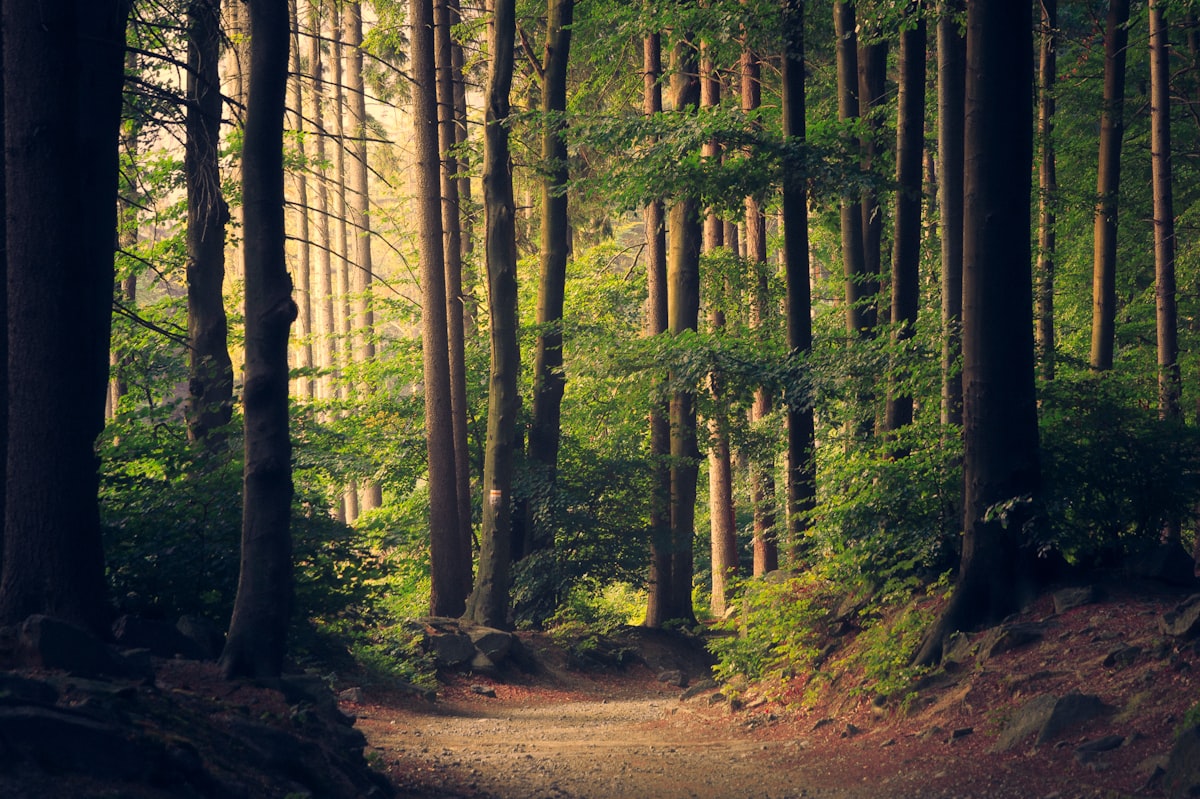
The Cerros Tutelares of Medellín: seven hills that watch over the valley
Medellín cannot be conceived without its hills. The city has developed in the Aburrá Valley, surrounded by these elevations —seven cerros tutelares recognized by the Mayor's Office— that today stand as green lungs, natural viewpoints, and biodiversity refuges. The district administration has invested close to $6,000 million in their conservation, as they are vital for air quality and are home to wildlife that is scarce in the urban sprawl. On malokal.com you can check access prices and use the interactive cards to explore the safe map by neighborhood (Locals vs. Foreigners), holiday schedules, and make direct reservations via WhatsApp.
Many visitors stay in El Poblado or downtown and never dare to walk these hills. Big mistake. Here, urban hiking is a reality: you can start the morning jogging on Cerro Nutibara, enjoy lunch in Comuna 13, and end the afternoon watching the sunset from Cerro El Volador, all using the Metro and Metrocable. Reference prices for eating in the area range between $15,000 and $45,000 COP, depending on the place, and access to the hills is usually free or low-cost. Below, I share what you need to know to conquer these hills without falling into traps or myths.
📌 Transparency
This article contains sponsored/affiliate links. We may receive a small commission at no extra cost to you.
Spanish Bootcamp Online
Why the cerros tutelares are the secret to outdoor adventure in Medellín
The cerros tutelares are elevations that the city has adopted as environmental heritage. They are not distant mountains; they are within the urban perimeter, connected by public transport, and each has its own personality. El Volador holds archaeological vestiges of indigenous occupation; Nutibara is the most accessible and tamed; and Santo Domingo has become a symbol of social transformation thanks to the Metrocable and the escalators of Comuna 13. Others, like El Picacho, are wilder and less crowded.
The appeal is twofold. On one hand, the ecological side: trails that wind through guadua groves, birdwatching for species like the barranquero or the azulejo, and air purer than downtown. On the other, the historical and social dimension: these hills have witnessed the growth of Medellín, its crises, and its reinvention. Walking them is like reading the city from a new perspective.
A key fact for planning your visit: the best time for urban hiking in Medellín is during the dry season, between December and March, and again between July and August. In October 2026, for example, we are in the middle of the rainy season, so it is advisable to get up early and bring a light raincoat. Rain in the valley usually falls in the afternoon, so walks before noon are safer.
What to do in the cerros tutelares
Cerro El Volador
Cerro El Volador is the largest natural park within the urban perimeter of Medellín and one of the few with documented archaeological value. Remains of indigenous occupation have been found on its slopes, and today it functions as an archaeological and ecological park with a network of low-difficulty trails. It is ideal for leisurely walks, birdwatching, and enjoying the sunset over the valley.
The main trail is wide and made of compacted dirt, suitable for beginners, families, and those who want to walk without pushing themselves too hard. There are areas of guadua, native trees, and natural viewpoints toward downtown and the western part of the city. During the week, the atmosphere is calm; on weekends it fills with locals who come up to jog or have a picnic.
To get there, the most practical option is to take the Metro to Universidad station (Line A) and from there walk to the hill's entrance. There are also buses that go up through the area. Remember to check the schedules before your visit, as the park usually closes early and does not allow entry after a certain time in the afternoon.
Cerro Nutibara
Nutibara is the most famous hill and the easiest to explore. At its summit is Pueblito Paisa, a replica of a traditional Antioquian town with restaurants, handicrafts, and the most photographed viewpoint in Medellín. But the hill is much more than the Pueblito: it has a perimeter trail of approximately 2 kilometers that circles the hill among trees, ideal for jogging or walking at a fast pace.
The difference in schedules is key. Pueblito Paisa and the commercial area open later and fill with tourists mid-morning and in the afternoon. The perimeter trail, on the other hand, is active from very early on, which is when locals come up to exercise. If you want to avoid crowds, go up before 8 in the morning or after 5 in the afternoon. The sunset from the viewpoint is spectacular, but it is also the most congested time.
Access to the hill is free and there are several entrances: via Avenida 33, via carrera 65, and via the Fátima area. You can get there by taxi, bus, or walking from the Industriales Metro station, although the climb is steep. Bring water, because although there are shops at the top, prices are higher than at the base.
Cerro Santo Domingo and Comuna 13
Cerro Santo Domingo is the clearest example of how outdoor can be combined with social impact. The classic route begins at the San Javier Metro station, goes up via the Metrocable to Juan XXIII or La Aurora station, and from there connects with the escalators of Comuna 13 and with ecological trails that lead toward the hill.
The outdoor escalators, inaugurated in 2011, have become a symbol of the urban transformation of Medellín. Today they are a tourist corridor full of graffiti, viewpoints, music, and food. But higher up, once you leave behind the handicraft stalls, the real trails begin: dirt paths among vegetation, with views toward the valley and the western part of the city.
The safety recommendation is clear: go up accompanied, preferably with local guides or in organized groups, and avoid going alone at sunset or at night. The area has improved enormously, but as in any hillside neighborhood, it is best to inform yourself beforehand. Many guides from Comuna 13 offer tours that combine history, urban art, and hiking, and they usually cost between $30,000 and $80,000 COP per person, depending on the duration.
For eating, Comuna 13 has a strong local gastronomic offering: arepas rellenas, empanadas, bandeja paisa, and market food. Reference prices for eating in the area range between $15,000 COP for a simple dish and $45,000 COP in restaurants with a view. It is a must-stop before or after the hike.
Other hills to explore
In addition to the three mentioned, Medellín recognizes other cerros tutelares such as El Picacho, La Asomadera, Pan de Azúcar, and Santo Domingo. Cerro El Picacho, in the San Cristóbal district, is the highest and wildest; it offers expansive views but requires more physical preparation and logistics. La Asomadera is a small urban park, ideal for short walks. Pan de Azúcar, in the east, has less crowded trails and a more rural atmosphere.
If you are looking for something more extreme, paragliding in Medellín operates mainly from the San Félix district, in the municipality of Bello, with tandem flights over the Aburrá Valley. Prices start at around $220,000 COP and it is a different way to see the hills from the air.
Where to eat and drink near the hills
The gastronomic offering around the cerros tutelares is varied and ranges from street stalls to restaurants with a view. On Cerro Nutibara, Pueblito Paisa concentrates restaurants serving Antioquian food, cafes, and ice cream shops; prices are higher than at the base, but the view makes up for it. In Comuna 13, the food is more authentic and affordable: arepas, empanadas, fruits, and market dishes.
Near Cerro El Volador, the Universidad Nacional area and the Sevilla neighborhood have cafes and neighborhood restaurants with accessible prices. In the San Javier area, around the Metro station, there are bakeries and fast food spots ideal for before or after the hike.
If you want a more complete experience, Medellín's local markets —such as Plaza Minorista— offer market food at low prices and are a good stop if you combine the route with a visit downtown. Bandeja paisa, arepas, and empanadas are the most common dishes. Remember to check schedules before visiting, as many places close in the afternoon on weekdays.
How to get there and transportation
The great advantage of the cerros tutelares is that they are well connected by the public transport system. The Medellín Metro has stations near several of them: Universidad for El Volador, Industriales for Nutibara, and San Javier for Santo Domingo and Comuna 13. The Metrocable complements the network and goes up to hillside areas that were once difficult to reach.
For Cerro Nutibara, there are also buses that go up via Avenida 33 and carrera 65. For Cerro El Volador, the walk from Universidad station takes about 15 to 20 minutes. For Comuna 13, the Metro + Metrocable combination is the most efficient and safe.
If you decide to go by taxi or app, keep in mind that traffic during peak hours can be complicated, especially on the climb to Nutibara. On weekends, vehicle access to some hills is restricted or congested, so public transport is usually the best option. Check the operating hours of the Metro and Metrocable before planning your route, especially on holidays.
Local tips for urban hiking
- Get up early: the best time to go up is between 6 and 9 in the morning. There are fewer people, less heat, and less chance of rain.
- Footwear: wear sneakers with good grip. Dirt trails become slippery after rain.
- Hydration: bring at least one liter of water per person. There are few shops on the hills and the ones there are more expensive.
- Sun protection: even if it is cloudy, the sun at altitude is strong. A cap and sunscreen are essential.
- Safety: go up accompanied, avoid going alone at sunset, and do not leave valuables in sight. In Comuna 13, use local guides.
- Combine routes: you can do Nutibara in the morning, Comuna 13 at midday, and El Volador at sunset using the Metro and Metrocable.
- Waste: the hills are environmental heritage. Carry your trash back with you and leave nothing on the trails.
- Weather: in the rainy season (April-May and October-November), bring a light raincoat and check the forecast before heading out.
Frequently asked questions
How much does it cost to go up the cerros tutelares of Medellín?
Access to most of the cerros tutelares is free or low-cost. Cerro Nutibara, El Volador, and Comuna 13 do not charge admission. Some guided tours of Comuna 13 have costs that vary depending on the operator, generally between $30,000 and $80,000 COP per person. Reference prices for food in the area range between $15,000 COP for a simple dish and $45,000 COP in restaurants with a view. I suggest checking updated prices before your visit.
Is it safe to hike in the cerros tutelares of Medellín?
Yes, as long as you take basic precautions. The most crowded hills such as Nutibara and El Volador are safe during the day. In Comuna 13 and Cerro Santo Domingo, it is recommended to go up accompanied and avoid going alone at sunset or at night. The key is to inform yourself and enjoy the experience responsibly.


