

Origins
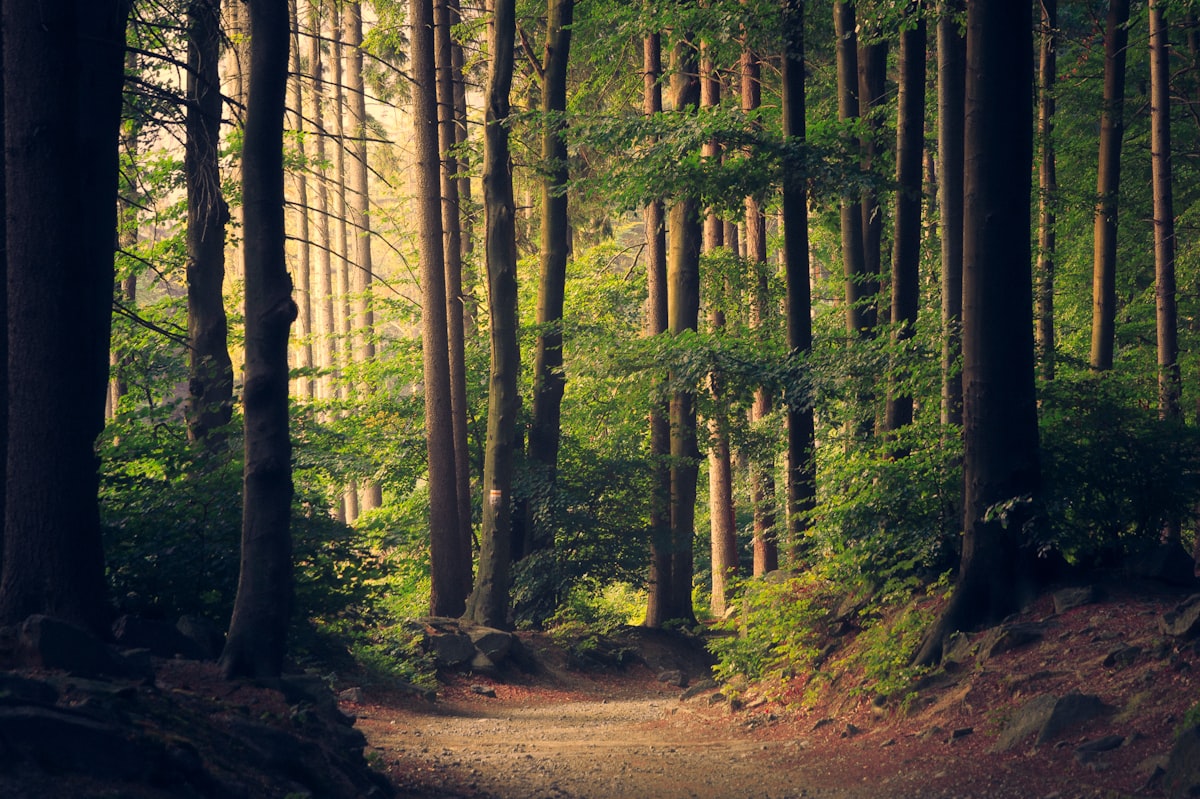
Cerro El Volador is not just any park. With its 82 meters of height above the valley floor, it rises between the Universidad, Robledo, San Germán and La América neighborhoods, in the very heart of Medellín. For the students of the Universidad Nacional, who have it literally next door, it is the largest and cheapest backyard in the city. For archaeologists, it is one of the most relevant pre-Hispanic sites in the Valle de Aburrá. And for anyone who climbs it on a Sunday morning, it is a free plan that feels like a breath of fresh air: a short hike, a viewpoint without fences or insistent vendors, and a sky full of kites.
If you are planning your route through the city and looking for something different from the classic tourist circuit, in this Malokal guide you will find verified information about transportation and nearby plans; use the interactive cards for each place on malokal.com to check the safe map by neighborhood (Locals vs. Foreigners), live holiday schedules and book directly via WhatsApp. Entry to the hill is free, and the complete plan —transportation included— can cost you less than $10,000 COP if you arrive by Metro.
📌 Transparency
This article contains sponsored/affiliate links. We may receive a small commission at no extra cost to you.
Spanish Bootcamp Online
The name "El Volador" does not come from the kites, although the coincidence is charming. It is a name the Spanish gave it for a more ancient reason: here, centuries before the conquest, the indigenous peoples of the valley buried their dead and performed rituals associated with the flight of the soul. For the first inhabitants of the Aburrá, this hill was a sacred place. Today it is still a meeting point, only now the offerings are plastic kites and arepas with quesito.
Timeline or historical milestones
Pre-Hispanic era: cemetery and observatory
Before Medellín existed as we know it, the Valle de Aburrá was inhabited by indigenous groups —the Nutabes and the Aburráes, among others— who occupied the slopes and tutelary hills. Cerro El Volador was one of their main funerary sites. Archaeological research carried out in the 1970s documented dozens of tombs with ceramic grave goods, necklace beads, axes and bone remains. It is not an urban myth: the findings are recorded and are part of the city's archaeological heritage.
It is important to clarify, because it circulates a lot on social media, that there are no secret tunnels or visitable underground vaults at El Volador. The excavations were scientific and the materials are kept in archaeological collections, not exhibited in caves. If someone offers you a "tour of indigenous tunnels", be suspicious. What is real is what you see: terraces, dirt paths, native vegetation and soil that holds history beneath your feet.
20th century: the urbanization that almost swallowed it
During much of the 20th century, Medellín grew westward without much order. Neighborhoods like Robledo and La América expanded up the hillside, and the hill was in the sights of developers who saw those 106 hectares as an appealing piece of land. In the 80s and 90s, real estate pressure and informal occupation threatened to fragment the hill into private lots.
What saved it was a combination of factors: its declaration as a Regional Metropolitan Natural Park (a protection figure that prevents urbanization), pressure from environmental and academic collectives, and the fact that the Universidad Nacional has its campus there, which granted it an institutional and scientific use that made its sale difficult. Today, the hill is administered by the Área Metropolitana del Valle de Aburrá, and its status as a protected area guarantees that it remains a green lung and not a new residential complex.
21st century: metropolitan park and open-air classroom
In the last two decades, El Volador has consolidated itself as a metropolitan park, with signposted trails, viewpoints and picnic areas. It has become the natural laboratory for biology and geology at the Universidad Nacional and the Sunday stage for hundreds of families who come up with kites, frisbees and small coolers. The pandemic put it back on the map: when everything was closed, the hill was one of the few open spaces where you could breathe and walk without crowds.
Key figures or events
The archaeologists of the Aburrá
The knowledge we have today of Cerro El Volador as a pre-Hispanic funerary site is due to the work of researchers and archaeologists who, since the mid-20th century, documented the findings on the hill and on other tutelary hills of Medellín. Their work allowed El Volador to be recognized not as a simple pile of dirt, but as a site with heritage value. Without that research, the hill would probably be just another neighborhood today.
Environmental collectives and the university community
There is no single name that takes credit for having saved El Volador. It was a collective effort of residents of Robledo and La América, environmental groups of the valley and the academic community of the Universidad Nacional. They were the ones who insisted on the legal protection of the hill, organized cleanup and planting days, and pressured for it to be declared a protected area. It is an example of how citizen pressure sustained a green space in a city that was growing fast.
The kite families
There is an anonymous figure that deserves mention: the family that comes up every Sunday with the cooler, the tablecloth and three kites. That scene has been repeated for decades and is, in practice, the living tradition of the hill. There is no official kite event or festival with its own name; it is something that simply happens, every Sunday, when the wind blows strong at the top. That is what is authentic about El Volador: no reservation, no payment, no line.
Current state
What to do today at El Volador
The hill functions as a metropolitan park with free access. It has several low-difficulty trails, ideal for 30 to 60 minute hikes. The most popular one goes up from the entrance near the Universidad Nacional and reaches the viewpoints at the top, from where you can see the center, El Poblado, Cerro Nutibara and, on clear days, much of the Valle de Aburrá. There are large grass areas for picnics, and birdwatching is constant: tanagers, blue-gray tanagers, hummingbirds and, with luck, some migratory bird passing through.
The Sunday ritual is kite flying. The top has almost permanent wind, so if you go up on a Sunday, you will see families, students and couples with kites of all sizes. You don't need to bring anything special: kites are available in neighborhood shops near the entrance, and if you don't have one, you can still sit and watch. It is a plan that will cost you nothing and will fill you with joy.
How to get there
The easiest way is by Metro. The Universidad station (Line A) leaves you a few blocks from one of the entrances to the hill, in the Universidad Nacional sector. From there, the climb is on foot. You can also arrive by bus along carrera 80 or avenida San Juan, depending on where you are coming from. If you opt for a taxi or app, ask to be dropped off at the main entrance of the park, not at the upper part, because the internal roads are pedestrian or restricted access.
Access to the park is free. Schedules may vary according to the administration of the Área Metropolitana and the season, so it is recommended to verify before visiting, especially on holidays. Currently, the hill remains free entry and no cost.
Safety and what to bring
El Volador is safe during the day, especially on weekends when there are many people. As in any public space in Medellín, avoid going up alone at dusk or at night, and do not leave valuables in sight. Bring water, sunscreen, a cap and comfortable shoes. If you plan to picnic, carry your trash back: there are not many collection points at the top. And if you go for the kites, bring spare string, because the wind is generous and kites tend to get tangled.
Contrast with other viewpoints: why this is not the Nutibara
Cerro Nutibara and its Pueblito Paisa are the classic tourist viewpoint of Medellín: a replica of an antioqueño town, restaurants, handicrafts and a very good view of the valley. It is beautiful, but it is touristy, has commerce and is usually full. El Volador is the opposite: there is no replica of anything, no restaurants at the top, no souvenir vendors. It is nature, archaeological history and local use. If you are looking for the photo with the little church and the coffee, go up to the Nutibara. If you want to walk, watch birds, fly kites and feel that you are in the Medellín of those who live here, go up to El Volador.
Other viewpoints like Cerro El Picacho or the viewpoints of El Poblado offer more dramatic or more "instagrammable" views, but none gives you the combination of El Volador: free, close to the Metro, with real indigenous history beneath your feet and a Sunday neighborhood atmosphere. It is the plan that university students recommend when someone asks "what can I do in Medellín that is not the typical thing?".
Save this guide for your next visit and share your kite photo at El Volador with the hashtag #VoladorSecreto. And if you want to verify transportation prices, updated schedules or nearby plans, check the Malokal interactive cards: there you will find the safe map by neighborhood, live information and the option to book via WhatsApp whatever you need to complete your day on the hill.

