


The culture of 'dawn food' as a Cartagena night ritual
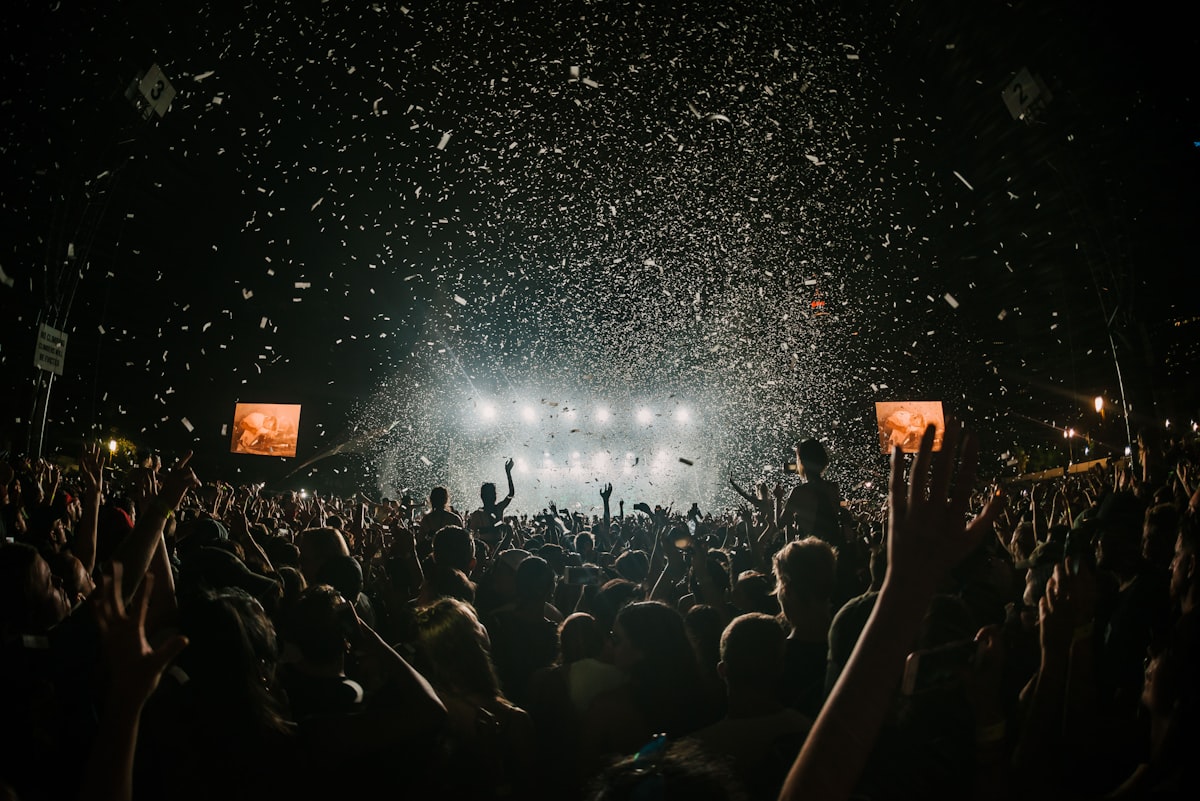
It's 3:30 AM in Cartagena. The bars of Getsemaní are starting to lower the music, taxi drivers park on the corners, and the smell of hot oil invades the streets. Here, after the party, nobody goes to sleep without first eating a well-fried arepa de huevo or a papa rellena bathed in suero. This tradition isn't just for drunk tourists: the very DJs from the clubs, the waiters who cleared your plates, and the taxi drivers who take you to your hotel know exactly where to go. In this article, I'll tell you about the stalls that only open at dawn, how to order like a local, and how to avoid falling into tourist traps.
Available options
Iconic street stalls: arepas de huevo, empanadas, and papa rellena
In Cartagena, dawn food has a queen: the arepa de huevo. But it's not the only thing. The stalls that operate between 2 AM and 5 AM usually sell three classics:
📌 Transparency
This article contains sponsored/affiliate links. We may receive a small commission at no extra cost to you.
- Arepa de huevo: corn dough filled with raw egg and fried until crispy. Served alone or with suero costeño.
- Empanadas: filled with shredded beef or chicken, also fried. Some come with potato or cheese.
- Papa rellena: a fried potato ball stuffed with ground beef, hard-boiled egg, and spices. Eaten with your fingers.
These stalls appear on the busiest corners after the bars close. They have no sign or name; you recognize them by the line of taxi drivers and the light of a bulb hanging from a metal cart.
The secret 'fritanguerías' of Manga and Getsemaní
If you want the most authentic experience, you must go to two key neighborhoods:
- Getsemaní: Calle de la Media Luna and its surroundings fill up with informal stalls from 2 AM. The most well-known among the local waiters is the one in front of the corner of Plaza de la Trinidad, where an elderly lady (doña Carmen, to the locals) fries arepas de huevo until the sun comes up. It has no exact address, but any taxi driver can take you.
- Manga: Here things are quieter. On Avenida San Martín, near Parque de Manga, there is a cart that opens from 3 AM to 5 AM. It's famous among the DJs from the Zona Rosa clubs because they sell empanadas with a homemade chili sauce that stings but doesn't kill.
A curious fact that few tourists know: in Manga, the oldest stall (over 20 years in operation) is hidden behind Colegio Mayor de Bolívar, on a nameless street. Taxi drivers call it "El Hueco", and it only opens on weekends. If you see a group of drivers double-parked at 4 AM, you've arrived.
Updated costs
Reference prices for May 2026 are as follows:
- Arepa de huevo: between $4,000 and $6,000 COP (depending on the neighborhood; in Getsemaní it's usually more expensive than in Manga).
- Empanada: from $2,000 to $3,500 COP each.
- Papa rellena: from $3,000 to $5,000 COP.
- Extra suero costeño: an additional $1,000 COP.
Important: these are reference prices from May 2026. Street stalls do not accept cards, only cash. Bring small bills of $2,000, $5,000, and $10,000 COP, because with a $50,000 bill they might not have change at that hour.
Estimated times
Don't expect fast service like McDonald's. Each arepa de huevo is fried to order, and if there's a line (which there always is on weekends), you can wait between 5 and 15 minutes. The busiest stalls, like doña Carmen's in Getsemaní, can have a line of up to 20 minutes at 3:30 AM. Taxi drivers are patient; you should be too.
Peak hours are from 2:30 AM to 4:30 AM. After 5 AM, many stalls start packing up because the drivers go to rest. If you arrive after 5:30 AM, you'll probably only find crumbs and cold oil.
Practical tips
How to order like a local: the language of 'media' and 'doble'
To avoid sounding like a lost tourist, learn these codes:
- "Media": means half an arepa de huevo (cut in half). Ideal if you want to try without getting full. Example: "Give me a media de huevo with suero".
- "Doble": two arepas de huevo in one order. Taxi drivers order "doble" when they are really hungry.
- "Con todo": includes suero, chili sauce, and sometimes a slice of tomato. Ask first if they have suero, because not all offer it.
- "Sin cebolla": if you don't like it, say it quickly. Chopped onion is standard on empanadas.
Also, payment is always in cash. Don't try to pay with a card or large bills after 3 AM; the vendors have no way to give change. Bring coins and low-denomination bills.
How to identify hygienic stalls and avoid tourist traps
Not all dawn stalls are the same. To avoid food poisoning:
- Look for the line of taxi drivers: if you see several parked taxis, it's a sign the stall is reliable. Drivers know the clean places.
- Observe the oil: it should look clean and bubbly. If it's dark or smells burnt, walk away.
- Avoid stalls with inflated prices: at Plaza de la Trinidad, some vendors charge $8,000 for an arepa de huevo just because there are tourists. Locals pay $4,000. If the price is more than double the average, it's a trap.
- Check the vendor's hands: they should be clean and use gloves or tongs. If you see them handling food with the same hands as money, don't risk it.
- Ask about the chili sauce: good stalls have homemade chili sauce (made with lemon, onion, and natural spice). If they only offer bottled sauce, it's probably not a trustworthy place.
Frequently asked questions
What exact time do these dawn stalls open?
Most open between 2 AM and 3 AM, and close between 5 AM and 6 AM. Weekends (Friday and Saturday) are the busiest days. On weekdays, some stalls don't open or close earlier, so check with a local taxi driver before heading out.
Can I order takeout or is it only eaten at the stall?
Both. Most people eat standing on the sidewalk or sitting on a taxi hood. But you can also order takeout; they'll wrap it in newspaper or a plastic bag. Don't expect fancy packaging, it's pure street food.
What do I do if I don't have cash at 3 AM?
You're in trouble. The stalls don't accept cards or transfers. Before going out partying, withdraw cash from an ATM. The most reliable ATMs after midnight are at Centro Comercial La Serrezuela or in Bocagrande, but be careful with security. Only carry the necessary money and keep your cell phone hidden.