



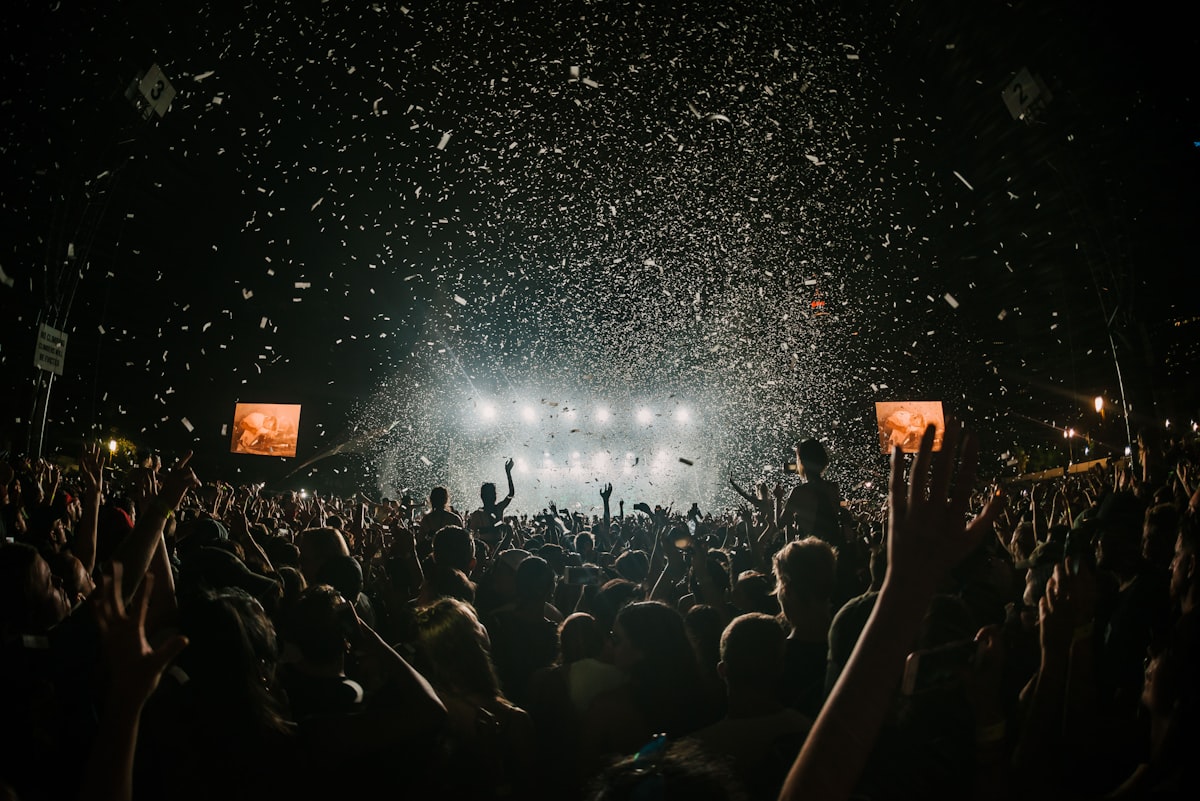

Petronio Beyond the Festival
If someone tells you that Cali is only salsa, that person has never felt the rumble of a cununo in their chest nor seen how a chonta marimba can hypnotize an entire square. The Petronio Álvarez Pacific Music Festival is, without a doubt, the biggest showcase of this tradition, but Pacific music is not confined to four days in August. In Cali, this heritage pulses all year round, on street corners, in bars, in cultural centers, and in the memory of thousands of displaced people who brought the Pacific to the city.
The capital of the Valle del Cauca didn't just adopt the marimba: it transformed it. Here, the ancestral sounds of the coast blended with the city, creating a dialogue that few tourists manage to decipher. This article is so you don't just settle for a photo of the festival. It's so you understand where that beat comes from, who keeps it alive, and above all, where to find it when there's no tent or main stage.
📌 Transparency
This article contains sponsored/affiliate links. We may receive a small commission at no extra cost to you.
The Ancestral Sounds: Marimba, Cununo, and Guasá
To understand Pacific music, you have to start with the instruments. They are not decoration: they are the backbone of a culture that resisted slavery, dispossession, and oblivion. Each beat tells a story.
The Chonta Marimba
It is the soul. Made from chonta wood (a native palm) and guadua tubes that act as resonators. Its sound is deep, almost hypnotic. In the hands of a master, the marimba doesn't just carry the melody: it sets the rhythm of life. In Cali, the best marimba builders are still from the Pacific, and many live in the hillside neighborhoods, like Siloe or Terrón Colorado.
The Cununo
A conical drum, carved from wood with deer or cowhide. There are two types: the male (deeper) and the female (higher-pitched). When they play together, they recreate the dialogue of the jungle. At coastal festivities, the cununo is what calls people to dance. In Cali, you'll hear it in currulao groups that rehearse in community centers of neighborhoods like El Vallado or Marroquín.
The Guasá
A guadua cylinder filled with achira or chontaduro seeds. It sets the constant rhythm, the one that never stops. In the Pacific, women play the guasá while singing décimas or arrullos. It is the instrument that connects the earth with the sky.
Together, these three instruments create currulao, the foundational rhythm of the region. But there's more: bambuco viejo, juga, abrazao, and Cali-style torbellino. Each has its own beat, its own dance, and its own time of year.
Where to Listen to Pacific Music in Cali All Year Round
If you come in May 2026, don't wait until August. Pacific music is breathed in the city every day. Here are the places where you can find it without depending on the festival calendar.
La Casa de la Cultura de Cali
Located at Calle 7 with Carrera 5, in the heart of the historic center. Here, permanent workshops for marimba, cununo, and guasá are held. On Thursday nights, there are usually free performances by local groups. Don't expect a polished show: it's live music, sometimes with open rehearsals. Free entry, though a voluntary contribution is appreciated. Open Monday to Friday, 8am to 6pm, but evening events vary. It is recommended to check schedules before visiting.
El Barrio Obrero and Calle del Sabor
On Calle 5 between Carreras 12 and 15, there are several bars that have adopted Pacific music as part of their repertoire. The Salón de la Fama de la Salsa sometimes alternates with marimba groups. But the real secret is on Calle 5 with Carrera 14, where a place called La Marimba de Chonta (not to be confused with restaurants of a similar name) hosts sessions on weekends. The atmosphere is family-friendly, beer is at neighborhood prices (COP $4,000 a bottle), and the music starts late, around 9pm. Reference prices from May 2026.
Siloe and the Hillside Tradition
Going up to Siloe isn't just for sightseeing from the viewpoint. An Afro-descendant community lives there that keeps the Pacific tradition alive. The Fundación Cultural Suroeste, in the upper part of the neighborhood, offers music workshops on Saturday mornings. If you manage to contact them (ask at the Community Action Board), you can attend a rehearsal. There's no fixed price, but bringing groceries or leaving a donation is welcome. That said: go during the day and with someone who knows the area.
Petronio Street-Style
During the festival (third week of August), the Unidad Deportiva Alberto Galindo fills with tents, but true music lovers know the parallel party is on the streets. In the San Antonio neighborhood, near Parque de San Antonio, spontaneous marimba sessions spring up until the early hours. Bring your own beer and look for the drum group that always appears. It's free, noisy, and authentic.
The Guardians of Tradition: Interview with Local Musicians
For this article, we spoke with Don Hugo Cifuentes, a 68-year-old marimba player, born in Tumaco and a resident of Cali since 1985. We found him in his workshop, in the El Pueblo neighborhood, where he repairs marimbas for groups from all over the city.
"You don't learn the marimba from a book, you learn it in the jungle," he says while tuning a chonta key. Don Hugo recounts that when he arrived in Cali, Pacific music was a niche thing. "People in Cali only wanted salsa. But we arrived with currulao, and little by little we brought the beat into neighborhood parties. Now, even rockers want to play the marimba."
His workshop is an organized mess of woods, hides, and tools. Groups like Heredia, Bahía, and even ChocQuibTown have passed through when recording in Cali. Don Hugo charges between COP $150,000 and $300,000 for a complete marimba repair, depending on the damage. Reference prices from May 2026.
We also spoke with Yaneth Mosquera, a singer and director of the group Arrullos del Litoral. She rehearses every Tuesday at the Casa de la Cultura de la Comuna 13, in the east of the city. "People think Petronio is just for dancing, but it's an act of resistance. Every song we sing speaks of violence, the river, the waiting woman. That isn't lost even though we are in Cali."
Yaneth invites tourists to her rehearsals: "Come without fear. There's no ticket, no show. Just music and fish sancocho if there's enough." The group performs at Calle 70 with Carrera 1, in the Los Lagos neighborhood, on Tuesdays from 6pm to 9pm. Free entry.
How to Experience Petronio Like a Local
If you come in August for the festival, forget the main stage for a while. Locals know the real experience is on the edges. Here are the steps:
- Arrive early at the Unidad Deportiva Alberto Galindo. Entry is free, but lines get long after 3pm. Bring a hat, water, and sunscreen. The sun in Cali in August is unforgiving.
- Don't just stay at the main stage for the big groups. The side tents, where groups in the "traditional" category compete, have the best music. There you'll see old marimba players who have been playing the same beat for 40 years and still give you goosebumps.
- Try Pacific food at the stalls. Look for arroz atollado, tapao de pescado, and chontaduro con miel. The women cooking are from Buenaventura, Tumaco, or Guapi. Ask them for the recipe and they'll tell you the story of their town. A plate of tapao costs around COP $15,000. Reference prices from May 2026.
- Walk through the crafts area. Behind the food stalls, there's an instrument market. There you can buy a toy marimba (made with real chonta) for COP $30,000 or a guasá for COP $10,000. Negotiate, but don't haggle aggressively: many artisans live off this.
- End the night in San Antonio. When the festival closes at 11pm, head up to the San Antonio neighborhood. On Calle 5 with Carrera 9, there is a small square where musicians gather to play after the official performances. Bring your own bottle of aguardiente or viche and sit on the sidewalk. The party can last until dawn.
Secrets Few People Know
Here's the curious fact I promised: viche, that artisanal liquor from the Pacific, is not just a drink. In Afro-Colombian communities, viche is used in healing rituals and at elderly celebrations. During Petronio, there is an exclusive tent for viche tasting, but it's not on the official maps. Ask for the "Carpita del Viche" near the stage for the "free" category. There, a man named Don Eulogio serves samples of viche in different flavors: coconut, borojó, herbs. It's free, but a tip is recommended.
Another secret: arrullos are not just songs. They are sung prayers made to saints during Pacific processions. In Cali, the Iglesia de San Francisco, downtown, has held masses with arrullos since 2019. Ask at the parish if one is scheduled during your visit.
The Legacy That Never Stops
Pacific music in Cali is not a souvenir. It is a declaration of identity from a community that refused to disappear. Every beat of the cununo, every note of the marimba, every song of the cantadoras, is a reminder that the Pacific is not just a geographical region: it is a way of understanding life.
So when you are in Cali, don't limit yourself to salsa. Seek out currulao, bambuco viejo, juga. Seek out Don Hugo in his workshop, Yaneth at her rehearsal, Don Eulogio in his little tent. And when you feel that beat in your chest, you will understand why we Caleños say the Pacific doesn't leave the city: the city is the Pacific.
Origins
The Petronio Álvarez Festival, which pays homage to the music of the Colombian Pacific, has its roots in the rich cultural tradition of the Afro-descendant communities that inhabit the Pacific region. This event was established in 1997 and has grown to become one of the most important folk music festivals in Colombia. The influence of Afro-Colombian music is palpable in every corner of Cali, where rhythms like currulao, bunde, and marimba resonate strongly.
The festival's name comes from the renowned musician Petronio Álvarez, an icon of Pacific music, whose compositions reflect the life, traditions, and struggles of his people. The event not only celebrates music but also the gastronomy, dance, and crafts of the region, becoming a meeting point for cultural diversity.
Over time, Petronio has evolved, incorporating new generations of artists who reinterpret these ancestral sounds, keeping the essence of the Pacific alive while experimenting with new fusions. This festival is not just an event, but an act of cultural resistance and a platform for the voices of Afro-Colombian communities to be heard worldwide.
Furthermore, Petronio is an opportunity for attendees to immerse themselves in the local culture. Here are some insider tips to enjoy it to the fullest:
Get to Know the Marimba
The chonta marimba is the flagship instrument of Pacific music. Don't miss the chance to attend workshops or performances where you can see up close how it is played. Ask the musicians about their stories and traditions; you'll be surprised by the connection they have with their music.
Pacific Gastronomy
Try typical dishes like fish sancocho or coconut rice at the festival's food stalls. Food is an integral part of the cultural experience. Don't hesitate to ask the vendors about the ingredients and their preparation; many will be happy to share their family secrets.
Timeline or Historical Milestones
The musical tradition of the Colombian Pacific has deep roots intertwined with the social and cultural history of the region. Below are some key milestones that mark the evolution of this music in Cali and its importance within the context of Petronio Álvarez.
1960s: Birth of Pacific Music in the City
During this decade, Pacific music began to gain recognition in Cali, driven by the migration of Afro-Colombian communities who brought their rhythms and dances with them. This period marked the beginning of a cultural exchange that would transform the city's music scene.
1996: First Petronio Álvarez Festival
This festival was established to celebrate and preserve Pacific music, becoming an emblematic event that attracts artists and visitors from all over the country and the world. It is a meeting point for cultural diversity, where music, dance, and gastronomy merge.
2000s: International Recognition
As the festival grew, so did international interest in Pacific music. Local artists began to be recognized abroad, leading to collaborations with musicians from other genres and regions.
2020: Virtual Celebration of the Festival
Due to the pandemic, the festival adapted and held its first virtual edition, reaching an unprecedented global audience. This not only kept the tradition alive but also opened new opportunities for the dissemination of Pacific music.
Knowing these milestones not only enriches your festival experience but also allows you to appreciate the music and its social context. Every note of a cununo or every vibration of a marimba tells a story worth hearing.
Key Figures or Events
Lucía Pulido
A renowned singer and ambassador of Pacific music, Lucía Pulido has taken the legacy of Afro-Colombian musical traditions to international stages. Her style fuses traditional singing with contemporary arrangements, making even the youngest reconnect with their roots.
Insider Tip: If you want to hear her live, keep an eye out for her performances at the Feria de las Flores, where she often makes special appearances.
Grupo Bahía
This musical ensemble is one of the most representative groups of the Colombian Pacific. With their blend of marimba, cununo, and powerful voices, they have been key in spreading Pacific music both domestically and internationally. Their energy on stage is contagious.
Insider Tip: Don't miss their performances at Petronio Álvarez, where they often play songs not on their albums, offering a unique experience.
Petronio Álvarez
The festival that bears his name is a tribute to Pacific music and a meeting point for lovers of this culture. During the event, emerging and established artists perform, and competitions for dance and marimba groups are held, making it a vital platform for Afro-Colombian music.
Insider Tip: Arrive early to enjoy parallel activities like dance and music workshops, where you can learn to play the marimba and learn more about its history.
Current State
Petronio Álvarez, the festival celebrating the musical richness of the Colombian Pacific, has evolved in recent years, becoming an event that not only highlights music but also the gastronomy, dance, and Afro-Colombian culture. In its most recent edition, the festival attracted thousands of visitors, consolidating itself as one of the most important cultural events in Cali and the country.
During the festival, competitions are held for groups performing traditional Pacific music, such as marimba, bombo, and cununo. However, what many don't know is that the festival also becomes a space for meeting and connection between emerging and established artists, creating a vibrant and authentic atmosphere.
Additionally, the Pacific Gastronomy Fair has become a highlight of the event, where attendees can enjoy typical dishes like coconut rice and seco de chivo, offering a complete experience of Pacific culture.
On the other hand, the participation of Afro-Colombian communities during the festival not only celebrates their heritage but also provides a space for dialogue about cultural diversity and the challenges they face. It is recommended to attend the talks and conferences organized parallel to the event to better understand the cultural richness on display.
In summary, Petronio Álvarez is not just a music festival; it is a journey through the history, identity, and resistance of the communities of the Colombian Pacific. For those wishing to experience this, it is essential to plan your visit during the festival dates, which generally take place in August, and not miss the opportunity to interact with the artists and exponents of local culture.