


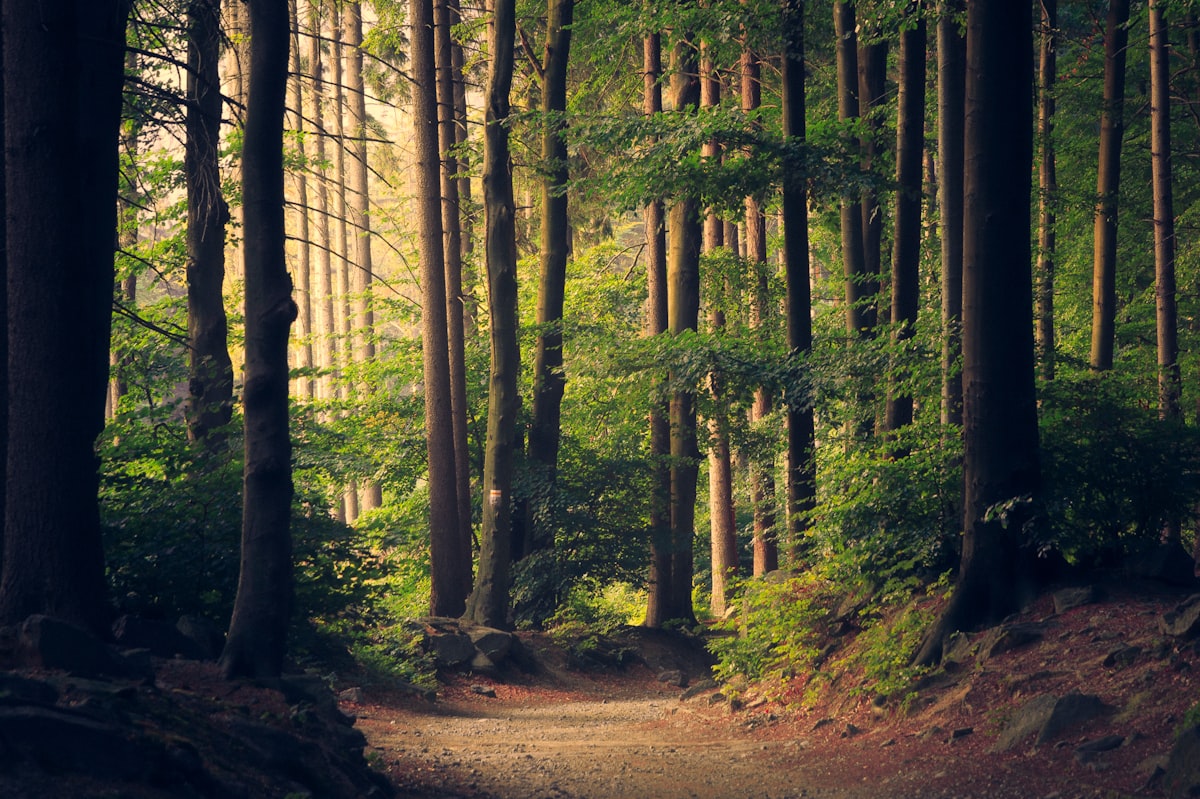



Why Cali is a hidden paradise for mountain biking
When people think of Cali, the first things that come to mind are salsa, heat, and partying. But if you venture a couple of kilometers from the center, the western hills hold a secret that few tourists know: some of the best mountain biking routes in the country. I'm not exaggerating. Here, amidst fog, mud, and slopes that burn your legs, there are trails that will make you forget you're 15 minutes from the city. In May 2026, with the rainy season activating the mountain's greenery, it's the perfect time to get your bike dirty.
Locals have been climbing these hills for years in search of adrenaline. There are no official maps or tourist signage; knowledge is passed by word of mouth, in WhatsApp groups, and at bike shops in the San Antonio neighborhood. If you're a mountain biker and want to feel the real earth of Cali, you need these routes.
📌 Transparency
This article contains sponsored/affiliate links. We may receive a small commission at no extra cost to you.
Cerro de las Tres Cruces: The technical route with breathtaking views
Cerro de las Tres Cruces is the most iconic hiking spot in the city, but few know it's also a high-level mountain biking route. The ascent begins from the road to the sea, specifically in the San Antonio neighborhood, where the pavement ends and the dirt road begins. It's approximately 5 kilometers of constant climbing, with gradients exceeding 15% in several sections. It's not for beginners.
The ascent: technique and endurance
The first part is wide and rocky, ideal for warming up the legs. But as you climb, the trail becomes more technical: exposed roots, loose rocks, and tight switchbacks that require keeping your weight back. Experienced cyclists recommend using a low gear ratio from the start; if you try to force a heavy gear, you'll end up walking. At the top, at 1,200 meters above sea level, a panoramic view of the entire city awaits you, from the Cauca River to the Farallones.
The descent: pure adrenaline
Going down is another story. The trail becomes fast but treacherous. There are areas where mud accumulates after the rains, and if you don't have disc brakes in good condition, you can lose control. Locals usually descend in about 15 minutes, but for a visitor, it's sensible to take 25 or 30. There's a viewpoint halfway down, right where the three white crosses stand on the mountain, worth stopping for to catch your breath and take photos.
Sendero El Hormiguero: The locals' best kept secret
If Cerro de las Tres Cruces is the famous route, El Hormiguero is the hidden gem. It's located in the village of the same name, about 20 minutes by car from the Ciudad Jardín neighborhood. Access is via a dirt road that few know, and the trail itself doesn't appear on Google Maps. To get there, it's best to ask at the "BiciSport" bike shop on Calle 5, where the owners will give you precise directions.
Trail characteristics
El Hormiguero is about 8 kilometers long, with a cumulative elevation gain of 400 meters. What makes it special is the variety of terrain: you go from tropical dry forest to cloud forest vegetation in a matter of minutes. There are sections of narrow single track, where only one bike fits, and others with steep descents with fist-sized rocks. It's a route that demands total concentration.
The locals' secret
Cyclists from Cali know this trail because it's less crowded than Cerro de las Tres Cruces. On weekends, at 6 in the morning, groups of 10 or 15 people form and leave from Parque de la Caña. If you manage to join one, you'll learn tricks like when to jump a rock or how to read the mud to avoid skidding. A fun fact: at the highest part of the trail, there is a centennial guayacán tree that locals call "El Abuelo" (The Grandfather), and it's tradition to touch it before starting the final descent.
Gear and safety: What to bring and how to prepare
Mountain biking in the hills of Cali does not forgive improvisation. The altitude, heat, and technical terrain can turn a fun outing into a nightmare if you don't bring the right gear. Here is a practical list based on the experience of local guides.
Bike and maintenance
- Mountain bike with front or full suspension: The routes have rocks and roots; a rigid bike will punish your back.
- Hydraulic disc brakes: Mud and humidity make rim brakes lose effectiveness. Check the pads before you go out.
- Tires with aggressive tread: Look for a deep pattern (like Maxxis Minion or Schwalbe Hans Dampf) for traction in mud and loose dirt.
- Repair kit: Bring at least two spare tubes, patches, a pump, and a multi-tool. Punctures are common due to thorns from dry vegetation.
Personal gear
- Full-face or mountain bike helmet with visor: The sun in Cali is strong even in the mountains, and low branches can hit your face.
- Long gloves: Protect your hands from chafing and falls. They also keep mud out.
- Breathable, quick-drying clothing: No cotton. Use technical jerseys and protective shorts (like Fox Racing or Troy Lee Designs).
- Sunscreen and insect repellent: The sun burns at 1,200 meters, and mosquitoes are active in forest areas.
- Hydration: Carry at least 2 liters of water in a hydration pack. There are no water sources on the routes.
Safety on the trail
The hills of Cali are relatively safe during the day, but not without risks. Avoid riding alone, especially in the afternoon. Local groups usually go out between 5:30 and 7:00 a.m. to avoid the heat and rain. Carry your cell phone with a charged battery, but don't expect a signal on all sections, especially on El Hormiguero. An app like Strava or Komoot with offline maps downloaded will save you if you get lost.
Expert tips: Interview with local cycling guides
We spoke with Andrés "Pato" Herrera, a guide from the "Cali Trail Riders" cycling school, who has been riding these hills for 12 years. Here's what he told us:
"People think that because it's Cali, everything is flat, but the western hills have a deceptive gradient. The key is climbing technique: never stand on the pedals if your weight isn't well distributed. Many novices lean back and lose traction. Also, learn to read the mud: if the surface looks shiny, it's slippery; slow down and look for a dry path to the side."
Andrés recommends two additional routes for those who already master the basics: the Sendero de la Virgen, in the Los Chorros neighborhood, and the Subida al Alto de Los Mangos, on the road to Pance. Both have less traffic and breathtaking landscapes. "If you're from out of town, look for the guys from 'BiciCali Aventura' on Instagram. They do guided rides every Saturday, and they lend you tools if something fails."
Another expert, Carlos Méndez, owner of the "Ruedas Locas" workshop on Calle 9, adds: "The biggest mistake is not lubricating the chain after every ride. Cali's mud has an acidic pH that oxidizes metals quickly. Wash it with pressurized water, dry it, and apply dry lubricant. That extends the life of the drivetrain."
Frequently asked questions
Do I need prior experience to ride these routes?
Yes, especially for Cerro de las Tres Cruces and El Hormiguero. Both require basic handling of technical descents and the ability to climb long slopes. If you are a beginner, I recommend starting with Sendero de la Virgen, which is shorter and less demanding. It's always best to go with someone who knows the terrain.
What is the best time of year for mountain biking in Cali?
From December to March is the dry season, with less mud and faster trails. But in May 2026, with the rains, the terrain is more technical and fun for experts. Just make sure to bring waterproof clothing and check the weather forecast before you go out, because storms can appear suddenly.
Where can I rent a mountain bike in Cali?
There are several options. In the San Antonio neighborhood, "Cali Bike Rent" offers Specialized and Trek bikes for $60,000 COP per day (reference price for May 2026). You can also ask at "BiciSport" on Calle 5, which rents complete kits with helmet and gloves. Always check the condition of the brakes and tires before you go out.
Ready to challenge these trails? Tell us about your experience in the comments on Malokal. The mountains of Cali await you, and the mud doesn't clean itself.
Historical or contextual introduction
Cali, known as the salsa capital, is not only famous for its vibrant nightlife and warm climate, but also for its impressive geography that invites mountain biking enthusiasts to explore its hills. Since pre-Columbian times, these hills have been a meeting place for various indigenous communities that have left their mark on the local culture. Over time, the city has grown, but the hills have maintained their essence, offering routes that combine adventure and nature.
Historically, the region has witnessed the transition from a rural to an urban environment, preserving green spaces that are a breath of fresh air amidst the city's hustle and bustle. For cyclists, the hills represent not only a physical challenge but also a connection to the history and culture of Cali. These routes, many of them little-known, are perfect for those seeking to escape conventional tourism and experience the true essence of the region.
Remember that, in addition to the natural beauty, it is important to respect the environment and the communities that inhabit these areas. The local culture is rich and diverse, making it a key point for those who wish to understand the true Cali.
What to do
Parque Nacional Natural Farallones de Cali
This park is a paradise for mountain bikers. With routes ranging from easy to challenging, the diversity of landscapes is impressive. From cloud forests to dry areas, every kilometer offers spectacular views.
Insider Tip: Go early in the morning to avoid the fog and bring enough water, as some routes do not have hydration points. Also, keep in mind that rain is frequent, so plan your outing on sunny days.
Sendero de la Cuchilla
Located in the rural area of Cali, this trail is less known and offers a more intimate experience with nature. The route is surrounded by endemic fauna and flora, ideal for those seeking to disconnect from the city's hustle and bustle.
Insider Tip: Ask the local farmers about the best time to visit it. They know the terrain and can offer you information about shortcuts and interesting points that are not marked on maps.
Where to eat or drink
El Alquimista
This place is a gem for cyclists and lovers of healthy food. They offer a varied menu that includes vegetarian and vegan options, perfect for recharging energy after a day in the hills. Insider Tip: Don't miss their avocado smoothie; it's a favorite among locals and will give you an extra boost to keep enjoying nature.
Restaurante La Cumbre
Located at the top of one of the hills, this restaurant offers not only an impressive view but also typical Cali dishes. Their ajiaco is highly talked about among those who have spent a day cycling. Insider Tip: Make a reservation to enjoy the sunset while savoring your meal; the experience is unforgettable.
How to get there and transportation
To enjoy the mountain biking routes in the hills of Cali, it is crucial to know how to access these wonderful landscapes. Below, I share some transportation options and practical tips to make your experience easier and more enjoyable.
Public transportation
The MIO transport system is one of the most effective ways to reach the starting points of the routes. The feeder routes connect with various areas of the city and get you closer to the hills. You can take the routes heading west, where some of the most popular entrances to the hills are located.
Insider Tip: Check the MIO app to plan your trip and avoid setbacks. Also, consider leaving early in the morning to take advantage of the cool weather and avoid traffic.
Own bike
If you have your own bike, it is advisable to take it on public transport or use transport services that allow bicycles. Some taxi companies and mobility apps offer this option. Once on the slopes, you can enjoy less crowded and more challenging routes.
Insider Tip: Carry a basic repair kit and enough water. The routes in the hills can be demanding, and it's best to be prepared for any eventuality.
Organized tours
There are several local companies that offer guided tours of the hills. This can be an excellent option if you want to learn more about the fauna, flora, and culture of the region, in addition to enjoying a safe and well-planned tour.
Insider Tip: Ask the guides about the lesser-known routes; they often have access to trails that are not on tourist maps.